Sell Jewelry
GIA-Trained Jewelry Buyers
Most people selling jewelry are not doing it casually. Whether it is an inherited collection, an engagement ring from a past relationship, or decades of pieces you no longer wear, the decision usually carries some weight. Our job is to make the evaluation straightforward and the offer honest — so whatever you decide, you feel confident about it.
PMR’s buyers are trained by the Gemological Institute of America. We evaluate gold, platinum, diamond, estate, and designer jewelry in private rooms using professional-grade testing equipment. You are never separated from your pieces, the process takes about 15–30 minutes, and there is no obligation to sell.


GIA-Trained Buyers – What That Means for You
The Gemological Institute of America is the most respected credentialing body in the jewelry industry. Their gemologist training programs set the standard for how diamonds and colored stones are graded, evaluated, and authenticated worldwide. When PMR says our buyers are GIA-trained, that is not a marketing phrase. It is a specific credential that reflects real expertise in evaluating what your jewelry is actually worth.
In practical terms, it means the person across the table from you understands diamond grading, including cut, color, clarity, and carat weight, and can accurately assess a colored stone rather than simply estimate. It means we can tell the difference between a fine natural ruby and a synthetic one, between an authentic Art Deco piece and a reproduction, and between a diamond with a strong secondary market and one without.
Most places that buy jewelry do not have this credential. Pawn shops generally do not. Many gold buyers focus on metal weight alone and treat the stones as incidental. At PMR, both the stone and the setting are evaluated properly. That means your offer reflects what you actually have, not just the gram weight of the metal.
What We Buy
PMR purchases a wide range of jewelry in virtually any condition. If you are unsure whether your piece qualifies, bring it in. The evaluation is free, and there is no pressure.
Fine jewelry: Rings, necklaces, bracelets, earrings, pendants, brooches, pins, cufflinks, tie pins, tiaras, hoops, cuffs, and anklets. We buy pieces made from gold, platinum, and sterling silver, with or without stones.
Diamond jewelry: All cuts, sizes, and settings. Solitaire engagement rings, diamond tennis bracelets, stud earrings, three-stone rings, pave bands, and more. See our diamonds page for a full breakdown of how diamond value is assessed.
Estate and antique jewelry: Inherited collections, pieces from estates, and jewelry from specific historical periods. See the estate section below for period details.
Designer and branded jewelry: Signed pieces from recognized houses. See the brand list below.
Gemstone jewelry: Pieces set with diamonds, colored gemstones, or organic gems. See the gemstone section below for the full list of stones we commonly purchase.
Platinum and silver jewelry: Platinum and sterling silver pieces are evaluated separately from gold, based on their respective spot prices and metal content.
Broken and unworn jewelry: Condition is not a barrier. Broken clasps, missing stones, bent settings, and heavily worn pieces all still contain metal value. Bring them in regardless of state.
Designer and Branded Jewelry
Signed pieces from recognized jewelry houses carry value beyond their metal and stone content — the maker’s reputation, rarity, and secondary market demand all factor in. PMR actively purchases pieces from the following brands, though we are not limited to this list:
Buccellati, Bvlgari, Cartier, Chopard, David Webb, David Yurman, De Beers, Graff, Harry Winston, Hermès, John Hardy, Kwiat, Mikimoto, Pandora, Piaget, Roberto Coin, Tiffany & Co., Van Cleef & Arpels.
Original packaging, certificates, and receipts are helpful but not required. We evaluate the piece itself. If you have a signed piece you believe may be valuable, bring it in for a no-obligation assessment.
If your piece is a luxury watch rather than jewelry, see our luxury watch buying page for brands and valuation details.
Estate Jewelry – Periods We Specialize In
Estate jewelry is one of the most nuanced categories in the resale market. Value is not just about metal and stones — period, provenance, condition, and maker all affect what a piece is worth to collectors and secondary market buyers. PMR’s GIA-trained buyers have experience across all major jewelry periods and can identify characteristics that distinguish a genuine period piece from a later reproduction.
Georgian (circa 1714–1835) Among the rarest and most valuable antique jewelry. Handmade before industrial manufacturing, typically featuring foil-backed stones, cannetille goldwork, and nature-inspired motifs. Genuine Georgian pieces are uncommon and command significant premiums.
Victorian (circa 1840–1900) Spanning six decades of Queen Victoria’s reign, Victorian jewelry ranges from the sentimental and mourning jewelry of the early period (hairwork, jet, black enamel) to the elaborate gold and gemstone pieces of the late Victorian era. Motifs include serpents, stars, crescents, and floral designs.
Art Nouveau (circa 1890–1910) Characterized by flowing, organic lines and nature-inspired imagery — dragonflies, women with flowing hair, lilies, and peacocks. René Lalique is the most recognized name in the period. Enamel work and plique-à-jour are hallmarks of fine Art Nouveau pieces.
Edwardian (circa 1900–1915) The platinum age of jewelry. Edwardian pieces are defined by delicate lacework settings in platinum or white gold, heavily set with diamonds and pearls. The lightness and intricacy of the metalwork is a defining characteristic.
Art Deco (circa 1920–1935) Bold geometry, strong color contrasts, and precision cutting define the Art Deco period. Calibré-cut colored stones set in platinum, onyx and diamond combinations, and architectural forms are common. Cartier and Van Cleef & Arpels produced some of the most iconic Art Deco pieces.
Retro (circa 1935–1955) Post-Depression, wartime-era jewelry characterized by large, bold gold forms — cocktail rings, wide bracelets, dimensional bows and floral motifs. Rose gold was dominant during this period. Platinum was restricted during WWII, making gold the primary metal.
Mid-Century Modern and Contemporary Post-war studio jewelry and modern designer pieces. This includes signed pieces from recognized contemporary makers as well as unsigned fine jewelry from the 1950s onward.
If you have inherited jewelry and are uncertain of its period, bring it in. Dating a piece from its construction, hallmarks, and design characteristics is part of what our buyers do.
Gemstones – What We Buy
In addition to metal value, PMR evaluates the gemstone content of jewelry. Our GIA-trained buyers can accurately assess both precious and semi-precious stones. Below is a representative list of gemstones commonly found in pieces we purchase — this is not an exhaustive list, and if your piece contains a stone not listed here, bring it in.
Precious stones: Diamond, Ruby, Emerald, Sapphire (all colors)
Semi-precious mineral gemstones: Alexandrite, Amethyst, Aquamarine, Aventurine, Agate, Amazonite, Beryl, Carnelian, Chrysoberyl, Chrysocolla, Diopside, Flourite, Garnet, Howlite, Jade, Jasper, Kyanite, Labradorite, Lapis Lazuli, Malachite, Marcasite, Moonstone, Obsidian, Onyx, Opal, Peridot, Prasiolite, Quartz, Sodalite, Spinel, Sunstone, Tanzanite, Tiger’s Eye, Topaz, Tourmaline, Turquoise, Zircon
Organic gemstones: Abalone, Amber, Ammolite, Coral, Ivory, Jet, Mother-of-Pearl, Pearl, Tortoiseshell
Not every stone adds value above the metal. It depends on size, quality, and type. Our buyers will give you an honest assessment of what the stones in your piece contribute to the offer.
How the Selling Process Works
Step 1: Walk in, no appointment needed
Bring your jewelry to any PMR location during business hours. No appointment is required. If you have original packaging, certificates, or appraisals, bring them — they provide useful context — but they are not required for an evaluation.
Step 2: Private evaluation by a GIA-trained buyer
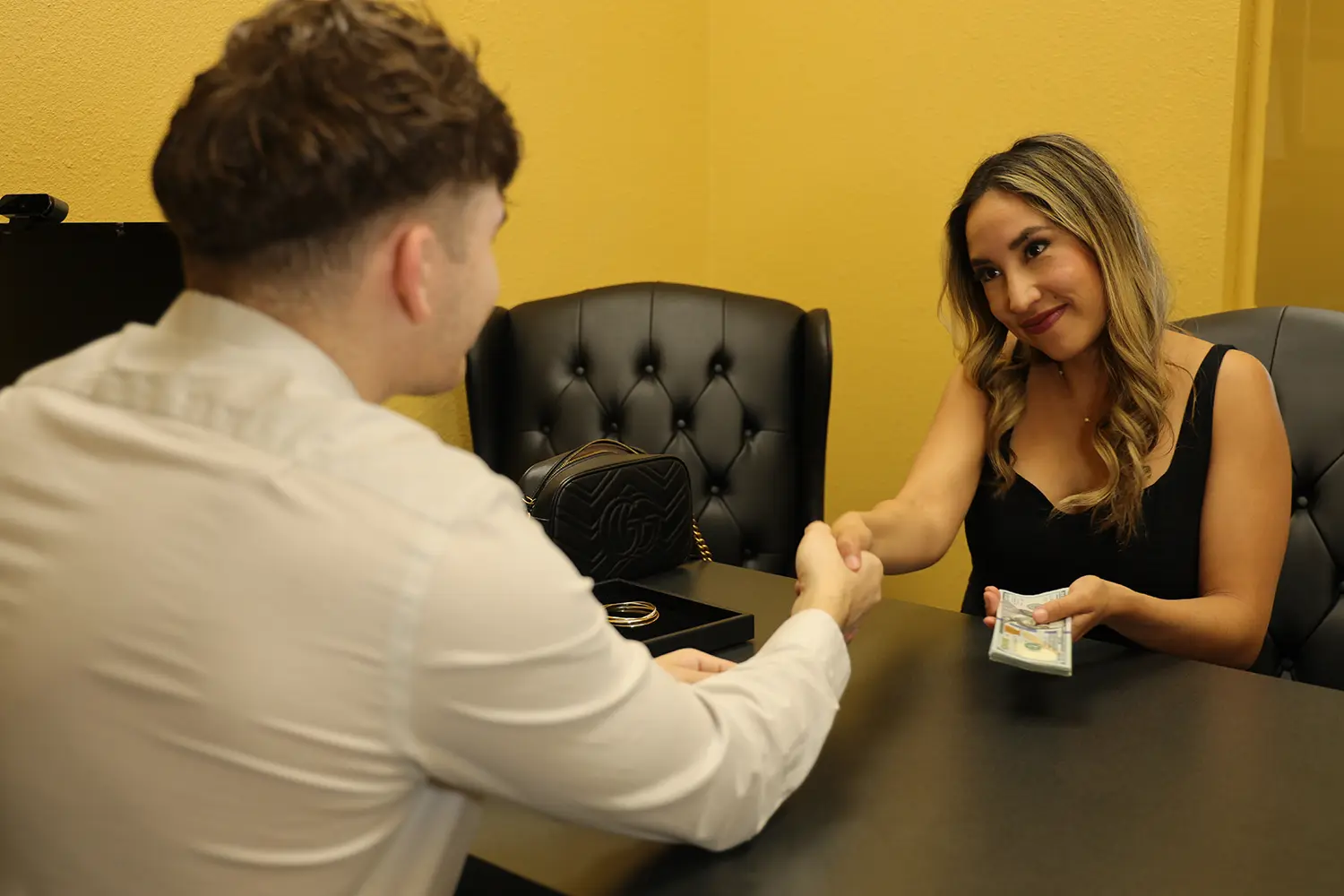
You are taken to a private buying room, not a public counter. Your pieces are evaluated in front of you — metal tested with the XRF analyzer, stones assessed by our GIA-trained buyer. You do not leave your jewelry with us and you do not wait. The evaluation happens while you watch.
Step 3: A clear, itemized offer
We present a written offer that breaks down metal value and stone value separately. We walk you through the basis for the number. There is no pressure and no expiration on the offer during your visit.
Step 4: Same-day payment
If you accept, you are paid immediately — cash or check. Most evaluations take 15–30 minutes. Larger estate collections may take longer, and we are happy to schedule additional time in advance.
For significant estate collections that are difficult to transport, we also offer in-home consultations.
If you prefer not to visit in person, our mail-in service allows you to ship items securely for evaluation.
Why Sellers Choose PMR
Also Selling Gold, Silver, or Luxury Watches?
PMR buys all precious metals. If you have gold, platinum, coins, or luxury watches, bring everything in a single visit. We evaluate and make offers on all of it. You do not need separate appointments for different items.
Frequently Asked Questions
Yes. A broken clasp, bent prong, missing stone, or heavily worn finish does not disqualify a piece. Metal value is present regardless of condition, and some damaged pieces still have stone or collector value. Bring it in as-is.
No. Original paperwork is helpful context but never required. We evaluate the piece itself. A GIA grading report for a diamond, if you have one, will be taken into account.
We will evaluate any piece you bring in. There is no obligation to sell, and we will never pressure you. Some people bring pieces in simply to understand what they have — that is a completely valid reason to visit
Our GIA-trained buyers assess cut, color, clarity, and carat weight for diamonds and evaluate colored stones on their own merits. Stones that are too small to have significant resale value may contribute minimal additional value above the metal. Stones that are large, high-quality, or rare will be assessed and reflected in the offer.
That is fine. You are never required to sell everything — or anything. Bring the full collection for evaluation and decide item by item what you want to do.
We focus on pieces containing gold, platinum, or sterling silver. Fashion jewelry made from base metals (brass, copper, zinc alloy) does not contain metal value and is generally outside what we purchase, unless it has significant collectible or designer value.
See the section above on appraisals vs. evaluations. In short: an appraisal gives you a replacement value for insurance purposes. Our evaluation gives you a buying offer based on current market conditions. Both are useful — for different purposes.
Yes. Our mail-in service allows you to ship jewelry securely for evaluation. Contact us for instructions before shipping anything.
Further Reading for Selling Jewelry
- Five Reasons to Sell Your Jewelry
 Why People Choose to Sell Jewelry Jewelry often holds special places in our lives, being memories, symbols of relationships, or even personal achievements. But then comes that time when they serve no purpose to us by staying in storage instead of shining in the spotlight. Whether you’re looking to make… Read more: Five Reasons to Sell Your Jewelry
 - Selling Your Gold, Jewelry, Diamonds & More
 We all collect things that we don’t need and jewelry is no exception. Whether you’ve been amassing trinkets from your family members or just wanting to unburden your drawers and boxes, selling jewelry is a great way to get extra cash. What to Expect When you sell your jewelry, it’s… Read more: Selling Your Gold, Jewelry, Diamonds & More
 - How to Tell if Tiffany & Co. Jewelry is Real
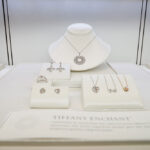 Tiffany & Co. is one of the world’s most iconic luxury jewelers, known for its elegant designs and high-quality materials. Unfortunately, Tiffany’s reputation and high resale value have made it a common target for knockoffs. You don’t want to spend your hard-earned money on what you think is a genuine Tiffany… Read more: How to Tell if Tiffany & Co. Jewelry is Real
 - 3 Diamond Engagement Ring Styles
 It’s more difficult than ever to be able to afford even the bare necessities of life in our modern world. Yet, when you’re ready to for marriage, the first step is the purchase of an engagement ring. Before you make such a big purchase, it may be wise to consider… Read more: 3 Diamond Engagement Ring Styles
 - Top 3 Pieces of Jewelry to Sell
 Every day is a perfect day to show appreciation for those you love dearly when considering what jewelry to sell, think PMR. It is a perfect opportunity to show those you care about how much they mean to you. Consider the important people in your life and the constants in… Read more: Top 3 Pieces of Jewelry to Sell