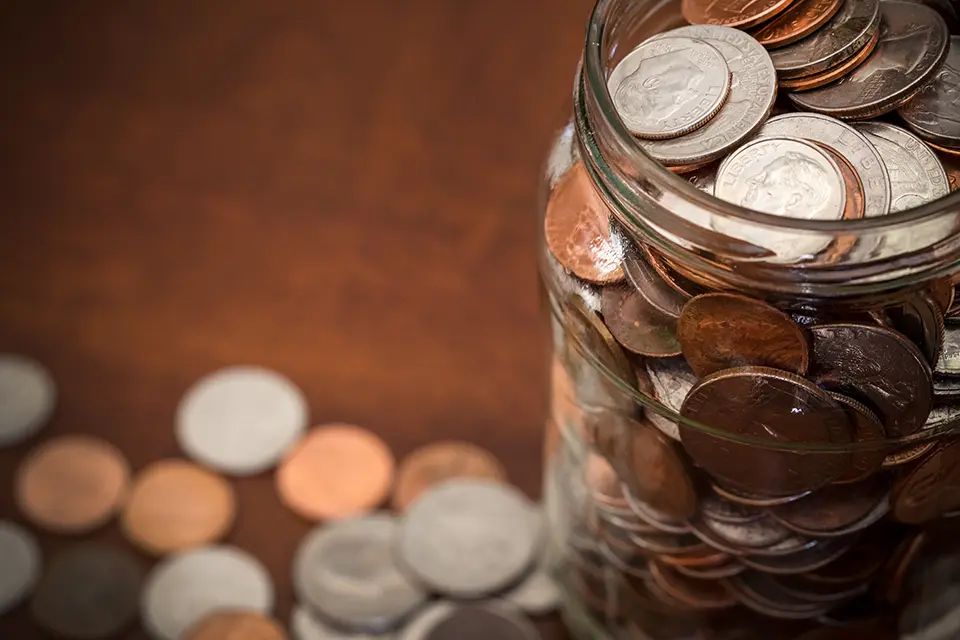
In today’s world, cash is becoming an afterthought. Most transactions happen with a tap or a swipe, and when you do pay with cash, you rarely have the exact amount. You get change back. That change goes in your pocket, then into a jar on the counter, and then it just sits there.
Most of the time that jar is exactly what it looks like, spare change. But occasionally something more interesting ends up in the mix. Some coins look identical to the quarters and dimes you spend without thinking, but carry a premium that serious collectors will pay real money for. The difference between a common coin and a valuable one can come down to a single digit in the date or a tiny letter stamped into the metal.
Here are seven coins that are worth more than face value, and there is a very real chance you already have some sitting in that jar on your counter.
Wheat Pennies (Pre-1958)
Pennies are an afterthought. Some people will not even bother picking one up off the ground. A few have been known to throw them away entirely. It is hard to argue with the logic since a penny barely buys anything anymore, and carrying a handful of them feels more like a burden than currency. The U.S. Mint officially discontinued the penny in 2025, so the days of getting one in your change are already numbered.
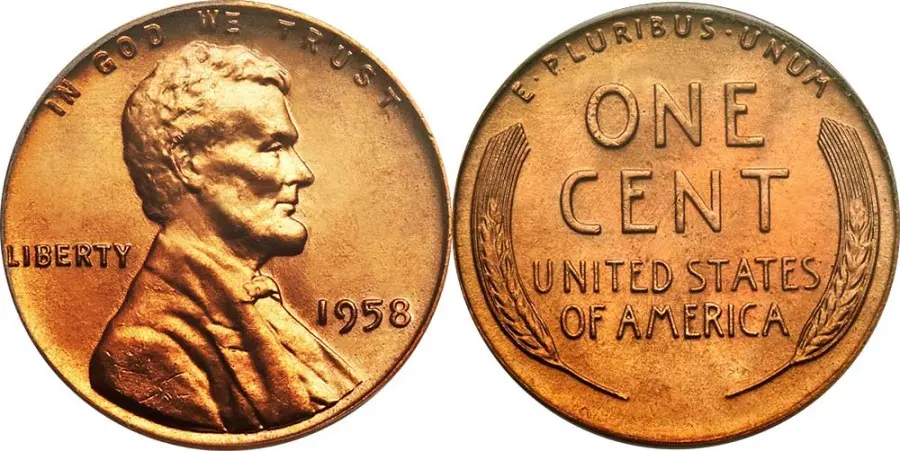
But before you toss that jar of old change, flip a few of them over. If you see two wheat stalks framing the words ONE CENT on the back, that penny predates 1959. The Lincoln Wheat Penny was introduced in 1909 to mark the 100th anniversary of Abraham Lincoln’s birth. It ran until 1958 when the reverse was updated to the Lincoln Memorial. It was also the first circulating American coin to feature a real person.
These coins are not valuable for their metal. Copper has minimal melt value. What drives the premium is age, history, and the fact that collectors actively pursue the series. Even a common circulated wheat penny is worth more than face value to the right buyer. They span nearly 50 years of American history and they are not being made anymore. That jar deserves a second look.
Silver Dimes, Quarters, and Half Dollars (1964 & Earlier)
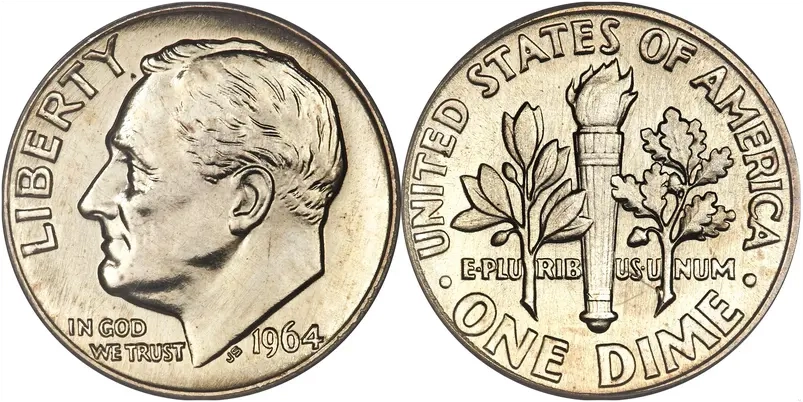
Most people have no idea that the dimes and quarters their parents and grandparents grew up with were made of real silver. That changed in 1965. Rising silver prices had pushed the melt value of circulating coins too close to their face value, so Congress passed the Coinage Act of 1965 and removed silver from dimes and quarters entirely. The coins in your pocket today are copper and nickel. The ones from 1964 and earlier are not.
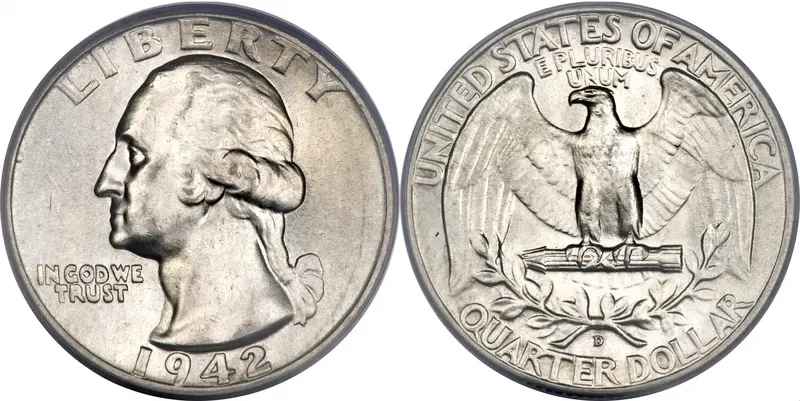
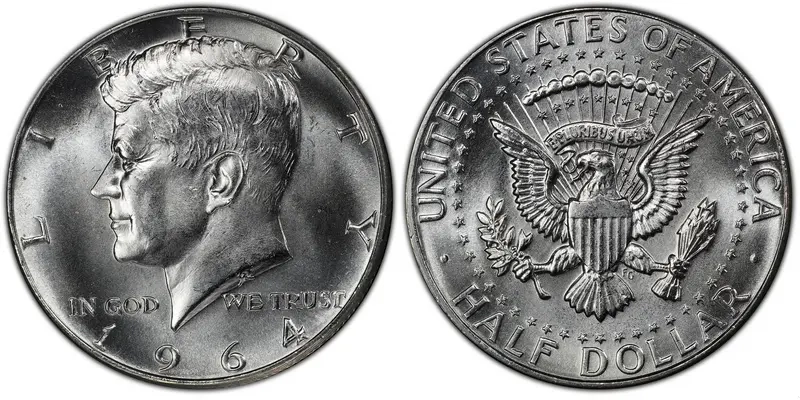
The easiest way to identify them is the date. Any Roosevelt dime, Washington quarter, or Franklin half dollar dated 1964 or earlier contains 90% silver. The Kennedy half dollar is where people get confused. The 1964 Kennedy is 90% silver. The 1965 to 1970 Kennedy dropped to 40% silver. Anything 1971 and later has no silver at all. If you want a quick check without squinting at a date, look at the edge of the coin. Silver coins have a solid silver edge. Modern coins show a visible copper stripe running through the middle. Next time you get change back, take a look before you drop it in the jar. If you find yourself with a collection of pre-1965 coins and want to know what they are worth, learn more about selling silver.
Wartime Nickels (1942-1945)
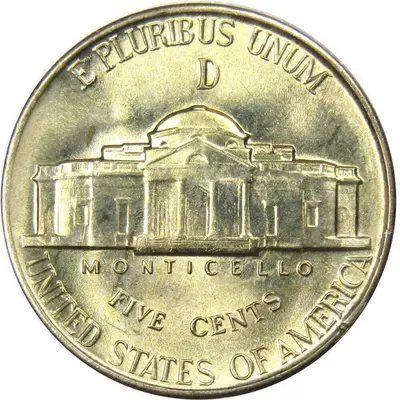
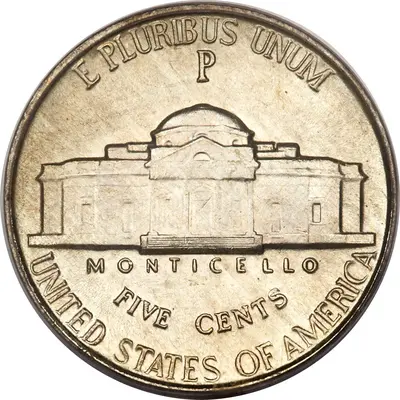
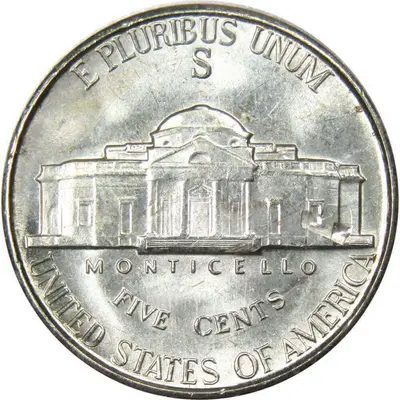
Here is one most people have never heard of. Standard Jefferson nickels contain no silver. They never have, with one exception. During World War II, nickel became a critical material for armor plating and military equipment. The government redirected its supply to the war effort and temporarily changed the composition of the five-cent coin to 35% silver. It is the only time in American history that a nickel has ever contained silver.
Not every 1942 nickel is a silver wartime nickel, though. The composition changed partway through that year, so 1942 coins exist in both versions. The way to tell them apart is on the reverse. Look above the dome of Monticello. A large P, S, or D mint mark, placed prominently above the dome, means it is a wartime silver nickel. No large mint mark above the dome means it is not. All 1943, 1944, and 1945 nickels with that large mint mark are silver. The value of these coins fluctuates with the current silver spot price, which makes them worth checking before you spend them. This is the most overlooked coin on this entire list because it looks exactly like any other nickel sitting in your change. Most people spend them without a second thought.
Morgan Silver Dollar
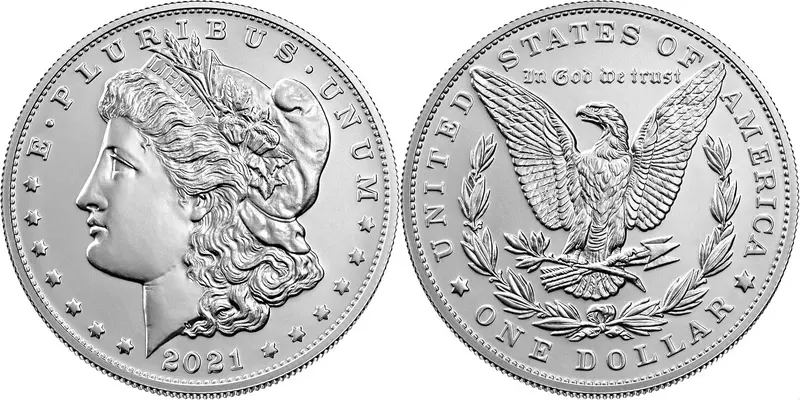
If you have ever come across a large, heavy silver dollar in an old collection or at the bottom of a drawer, there is a good chance it was a Morgan. Minted from 1878 to 1904 and one final time in 1921, the Morgan dollar was born out of legislation that required the U.S. Treasury to purchase millions of ounces of silver from domestic mines and turn it into coins. It was named after its designer, British-born engraver George T. Morgan.
Morgans were struck at five different mints including Carson City, Nevada, and those coins carry a loyal collector following because of their connection to the American West. Beyond the 90% silver content, certain date and mint mark combinations carry premiums above melt. Common dates are an easy entry point. Key dates are a different conversation worth having with an expert.
Peace Silver Dollar
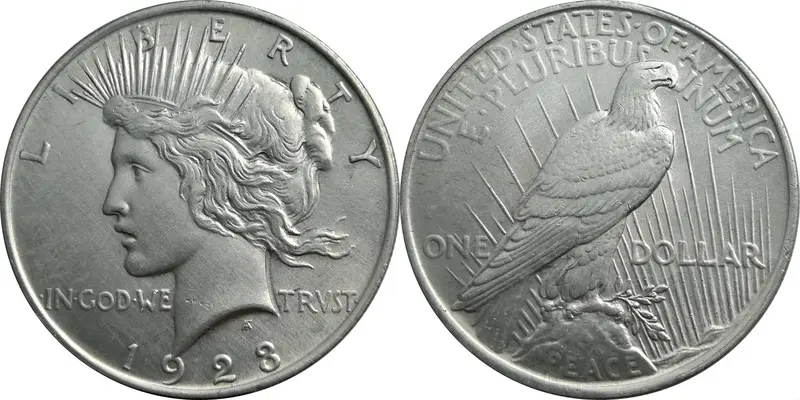
The Peace dollar replaced the Morgan in 1921 and was minted through 1935 with a break during the Depression years. It was created to commemorate the end of World War I and carries the word PEACE on the reverse, the only circulating American coin ever to carry that inscription. It is also the last silver dollar ever minted for general circulation in the United States.The design reflects the Art Deco movement of the 1920s, which is why it looks so different from the Morgan. Cleaner lines, bolder symbolism, a more modern feel.
The first Peace dollars struck in 1921 had one problem nobody anticipated. The design was high relief, meaning it was pressed deeper into the coin for greater visual depth. It looked incredible but the coins would not stack properly, and the dies wore out too fast to keep up with production. The Mint switched to a lower relief design in 1922, which solved both problems. That makes the 1921 Peace dollar a one-year type coin that collectors specifically seek out.
One detail worth knowing because it confuses almost everyone who notices it: the obverse reads IN GOD WE TRVST, not TRUST. That is not a misprint. The V in place of U is a deliberate stylistic choice referencing classical Roman lettering where V and U were used interchangeably. It is on every single Peace dollar ever made. If someone tries to sell you one as a rare error coin because of the V, walk away. If you have Morgan or Peace dollars and want to know what they are worth, learn more about selling rare coins.
If any of these coins sound familiar, it might be worth digging through that jar or old collection before assuming it is just spare change. PMR buys all of these coins based on their silver or copper content, which in most cases is significantly more than what they are worth as currency. You will get more than face value, and you will know exactly what you have. Bring them into any PMR location for a free evaluation.