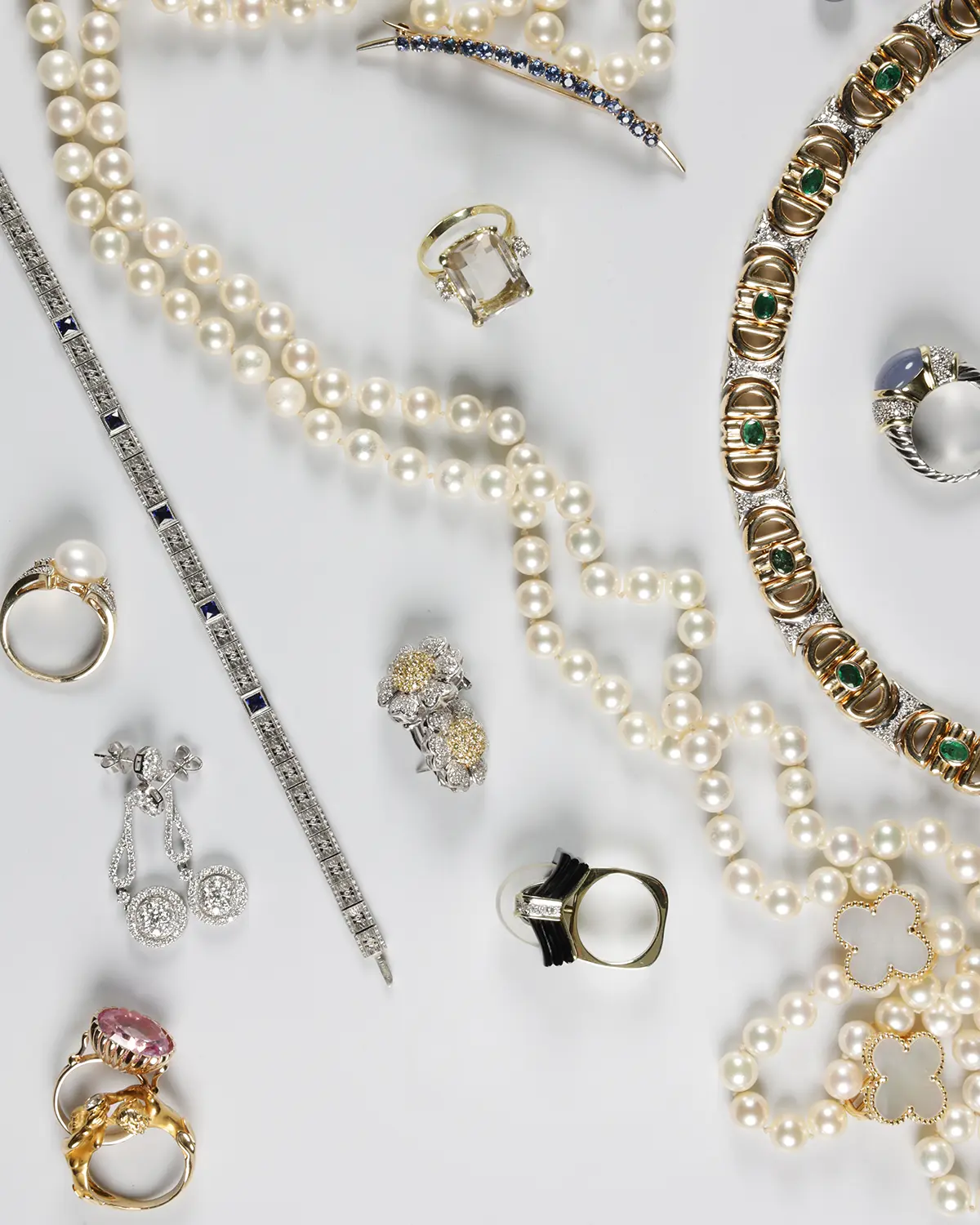
The unthinkable happens. You did not plan for this. A parent passes away, an aunt leaves behind a velvet box, a grandparent’s estate gets divided and a collection of rings and necklaces lands with you. Suddenly you have a decision to make about objects that carry history, sentiment, and financial value in proportions you don’t yet know.
Most people in this situation make one of two mistakes. They hold on to everything out of guilt and the jewelry sits unworn in a drawer for years. Or they rush to sell before they fully understand what they have, and they walk away with less than they should have gotten. This guide is for neither extreme.
Here is a clear path through the process, from the moment you open that box to the moment you decide what stays and what goes.
Before You Do Anything: Do Not Clean or Sell Immediately
This is the most important advice in this entire guide. When you first receive inherited jewelry, the two things people instinctively want to do are polish everything so it looks presentable and quickly sell what they do not want to keep.
Both can cost you money.
Cleaning and polishing can remove surface patina that antique dealers and collectors value. It can alter readings on gold-plated items. For sterling silver flatware and hollowware, aggressive polishing removes a measurable amount of actual silver over time. When it comes time for an expert evaluation, bring items exactly as they are.
And selling quickly, before you know what you have, means you may sell something valuable for far less than it is worth or let something rare slip through a mail-in service that was never equipped to recognize it.
Take a breath. Take an inventory. Then proceed with information.
Step 1: Take Inventory of What You Have
Lay everything out and sort it by type. You do not need to know values at this stage. You just need to understand what categories of items you are dealing with, because each one follows a different path.
Gold Jewelry
Look for hallmarks stamped on clasps, inside ring shanks, and on the back of pendants. Common US markings include 10K, 14K, 18K, 585, 750, and 417. These indicate karat purity. Items with no markings may still be solid gold, particularly older or foreign pieces. Items marked GF (gold-filled) or GP (gold-plated) contain much less gold. Our gold jewelry buyers can test any piece to confirm what it actually contains.
Silver
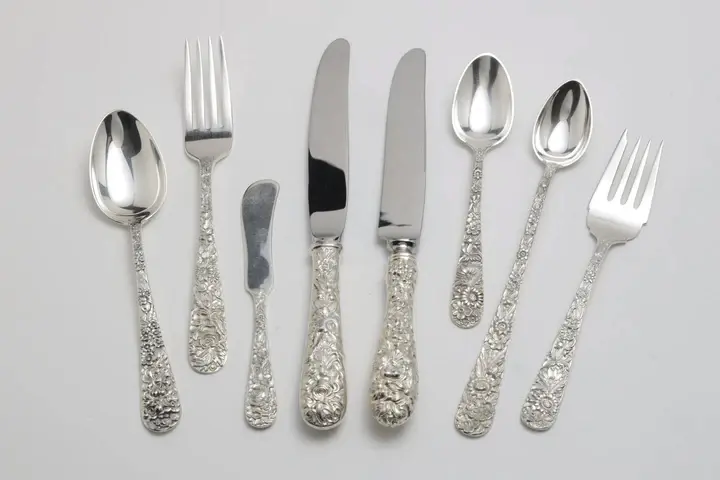
Look for stamps reading Sterling, 925, 800, or 835. These indicate solid silver. Items marked EPNS, Silver Plate, or Sheffield are silver-plated over base metal and worth significantly less. If you have flatware, candlesticks, or hollowware, the sterling vs. plated distinction matters a great deal for what you will receive. Learn more about selling silver.
Coins
Coins are their own category. Pre-1965 US dimes, quarters, and half dollars contain 90% silver. Pre-1933 US gold coins carry both melt value and potential numismatic value. Do not sort or spend any coins until you have had them looked at. Some pieces that appear common are not. Our rare coin specialists evaluate both the metal content and the collector market for every coin brought in.
Diamonds and Gemstones
Diamonds require GIA-trained eyes to assess properly. Cut, color, clarity, and carat weight all interact in ways that are not obvious without training and equipment. A stone that looks impressive may be moderate quality; one that looks modest may be exceptional. Do not rely on old appraisals for current market value. If you have pieces with significant stones, our gemologists can give you a current evaluation.
Watches
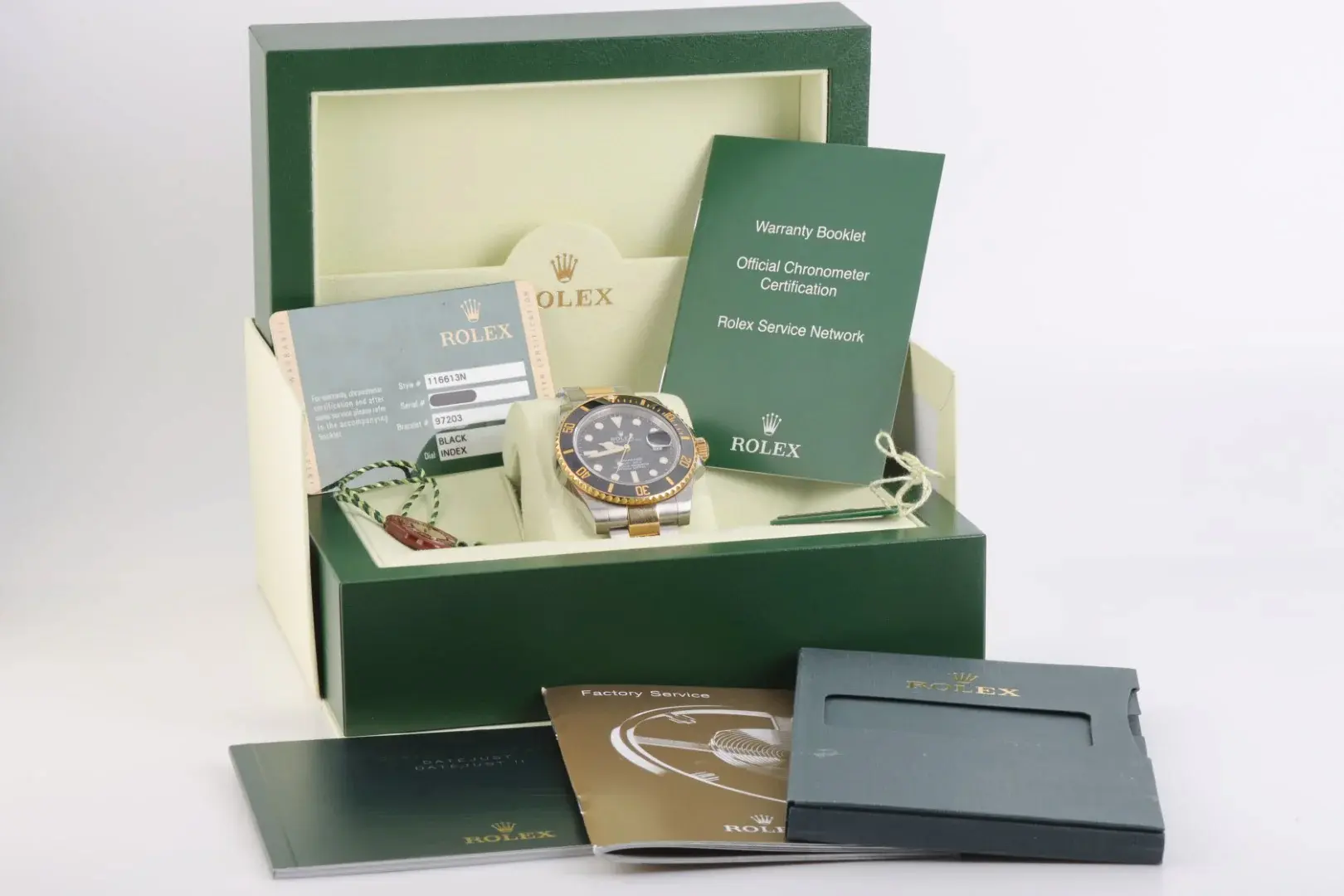
Luxury watches should be handled carefully. Do not wind a watch you are unfamiliar with. Do not attempt to open the case. Look for any paperwork, boxes, or receipts that came with it. A Rolex, Omega, Patek Philippe, or similar piece with original box and papers can be worth meaningfully more than one without. Even without documentation, many watches retain significant value and deserve a specialist evaluation rather than a general resale offer.
Step 2: Distinguish Sentimental from Financial
This is the part most guides skip, and it matters. Not every piece you inherit has to be sold. Not every piece has to be kept. The goal is to make a deliberate decision about each item rather than a reactive one. Here are some questions to ask yourself that help to sort this out:
- Would you wear this, or would it sit in a box? An unworn piece has only financial or sentimental value, not practical value.
- Does this piece represent a memory you want to hold on to, or is the memory already held in something else you’re keeping?
- Are other family members attached to specific pieces? You should have this conversation before selling to avoid any regrets.
- Is the value of this item primarily sentimental or financial? Some pieces are worth more to you than to a buyer.
You do not need to make every decision at once. It is entirely reasonable to set aside the pieces you are sure you want to keep, set aside the ones you are sure you want to sell, and leave a third pile for later.
Step 3: Get a Professional Evaluation
This step comes before selling, not after. An evaluation is not a commitment to sell. It is information.
There is an important distinction between an insurance appraisal and a seller’s evaluation. Insurance appraisals are designed to establish a replacement value for coverage purposes. They often reflect retail prices for comparable new items, which are typically higher than what you would receive in a resale transaction. Using an insurance appraisal as a benchmark for a sale price will lead to disappointment.
What you want when deciding whether to sell is a current market evaluation from a buyer who can tell you what the piece is actually worth in today’s secondary market. PMR offers free jewelry appraisals and evaluations with no obligation to sell. You can come in, find out what everything is worth, and leave with your items if you decide not to sell. That information is useful regardless of what you ultimately decide.
If you have a large estate collection and cannot easily transport everything, PMR offers in-home consultations. A buyer comes to you, evaluates on-site, and can make offers by category in a single visit. This is particularly useful when dealing with a full household of jewelry, coins, silver, and other items.
Step 4: Understand Your Options
If you decide to sell, the route you choose matters. Here is an honest look at the main options.
Direct Buyer or Refinery
A direct buyer like PMR evaluates items on-site, tests purity with calibrated equipment, and makes a same-day offer. There is no shipping risk, no waiting period, and no commission taken from a sale price. The offer reflects current spot prices for precious metals and current market conditions for collectibles. This is generally the fastest and most transparent route for gold, silver, and coins.
Auction House
High-end auction houses like Christie’s and Sotheby’s accept only exceptional pieces. For rare jewelry, signed pieces, or museum-quality items, auction can achieve prices that a direct buyer cannot match. The tradeoff is time, fees that typically run 15 to 25 percent of the sale price, and no guarantee of outcome. Most inherited jewelry collections do not contain items that meet auction house thresholds.
Online Resale Platforms
Platforms like eBay and 1stDibs allow you to reach a broad buyer pool. The challenges are authentication risk, potential for buyer fraud, the work of photographing and describing each piece accurately, and the reality that you are competing against professional sellers with established track records. For common jewelry, the effort rarely translates into meaningfully higher returns.
Mail-In Gold Buyers
Mail-in services are convenient but carry risk. You are shipping irreplaceable items to a company you cannot visit, and the testing and offer process is opaque. For straightforward gold scrap, they can work. For anything with potential collectible value, an in-person evaluation from a specialist is worth the extra step.
Step 5: If You Sell, Sell with Confidence
Going into a sale without knowing what you have puts you at a disadvantage. A few things to do before any transaction:
- Know the spot price. Gold and silver prices are publicly available and change daily. Check PMR’s live spot price page before any evaluation to understand the current market.
- Bring any documentation. Appraisals, receipts, certificates of authenticity for coins, or original box and papers for watches. None of it is required, but it can support value claims for numismatic or collectible pieces.
- Ask questions during the evaluation. A good buyer will explain what they’re testing, how they’re weighing, and what spot price they’re using. If a buyer names a number without explanation, ask for the breakdown.
- Get more than one offer if you’re unsure. There is no obligation to accept any offer on the spot. If a number surprises you, it is reasonable to take time or get a second opinion.
A Note on Guilt
Selling inherited jewelry does not diminish what it meant. A piece your grandmother wore every day holds its meaning in your memory of her, not in a box in your closet. Many people find that selling items they will never use, and putting the money toward something meaningful in their own lives, feels like a more honest way to honor what was left to them.
There is no right answer here, and no timeline you have to follow. But if the decision is weighing on you, getting a professional evaluation costs nothing and removes the uncertainty. Knowing what something is worth makes the decision clearer, even if you choose to keep it.
Not Sure What You Have or What It’s Worth?
PMR offers free, no-obligation evaluations at every location. Bring your collection in as-is, no appointment needed.
What Customers Say About PMR
Frequently Asked Questions About Estate Jewelry
There is no deadline. Take the time you need. The only practical consideration is that gold and silver prices change, so if the market is currently favorable, waiting months may mean selling at a lower price. But there is no rush to decide within weeks of inheriting.
This is common. An independent evaluation from a third party often helps, because it grounds the conversation in current market reality rather than emotional estimates. Knowing the actual value makes it easier to have a productive conversation about what to keep, what to sell, and how to divide proceeds fairly.
When you inherit items, your cost basis is typically reset to the fair market value at the time of inheritance. If you sell shortly after for approximately that value, your taxable gain may be minimal. If the items appreciate significantly before you sell, capital gains tax may apply. PMR recommends consulting a tax professional for guidance specific to your situation.