Gold Refineries That Buy From The Public: What to Expect and What You’ll Get Paid
Most gold refineries don’t deal with the public. They process bulk shipments from jewelers, manufacturers, and dental labs, not the single bracelet in your junk drawer or the gold coins you inherited from your grandmother. Finding a gold refinery that actually opens its doors to individual sellers requires knowing what to look for and what to expect when you walk in.
This guide covers exactly that: how public-facing refineries work, what they’ll test and how, what you’ll get paid and why it’s typically more than a pawn shop, and what to bring with you when you go.
What It Actually Means For a Refinery to Buy From the Public
A gold refinery’s primary job is to process impure metals, melting, assaying, and purifying gold to 99.5% or better for resale to manufacturers, mints, or commodity markets. The industrial side of that business involves minimum quantities measured in ounces or pounds, not grams, and often requires a registered business account.
When a refinery chooses to work with the public, it’s making a deliberate operational decision to serve individual sellers alongside its commercial customers. That means:
1) No minimum quantity. A single ring, a handful of dental crowns, or one gold coin is enough.
2) Walk-in access. No need to ship your items and wait. You bring them in, they’re tested in front of you, and you leave with an offer the same day.
3) Full transparency. The purity reading, the weight, the spot price calculation — you see all of it before you decide whether to sell.
4) Legal compliance. Every transaction requires a valid government-issued ID. Cash transactions over $10,000 are reported via IRS/FinCEN Form 8300 — standard federal requirement for any precious metals buyer.
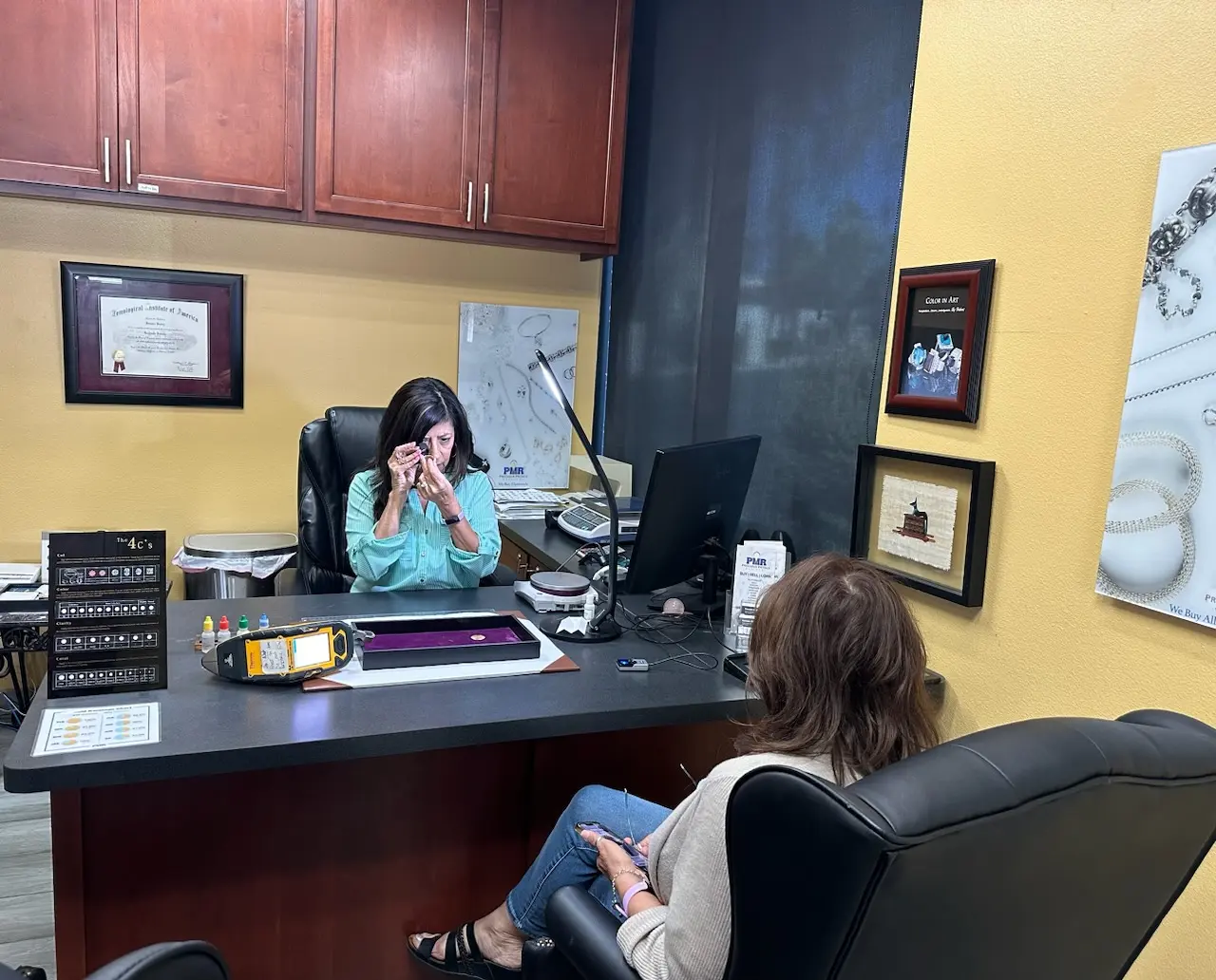
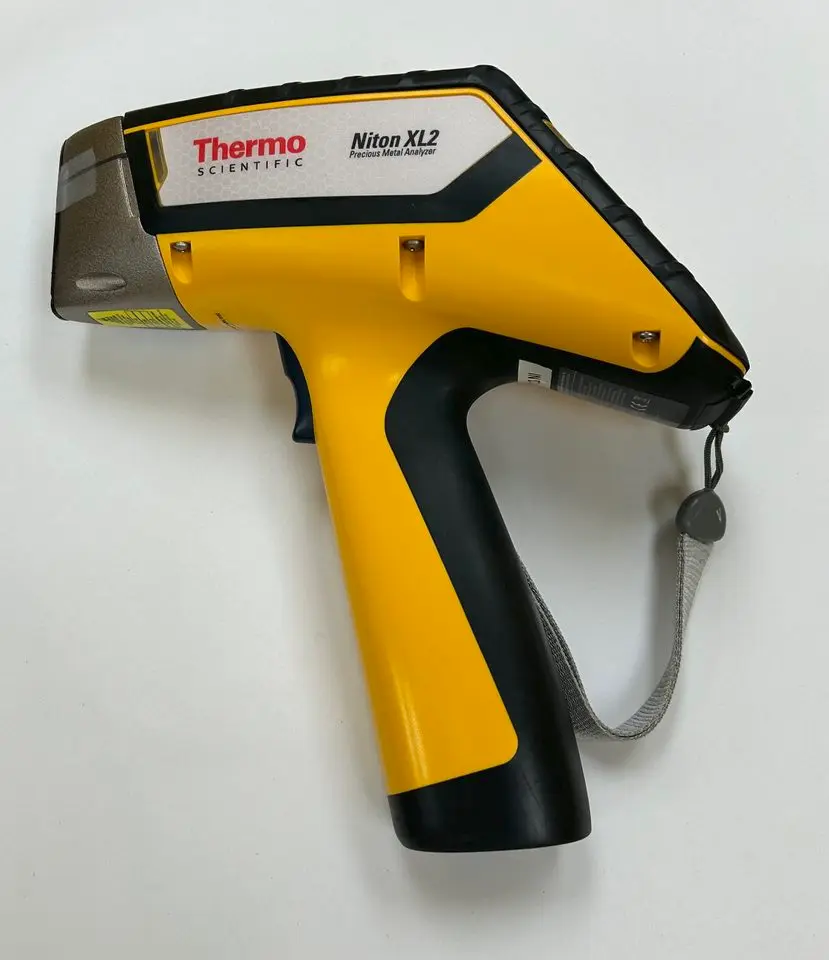
Because refining involves strict industry standards, these businesses often employ licensed appraisers, calibrated scales, and specialized equipment, such as the Niton XRF Analyzer by Thermo Fisher Scientific, on-site. PMR is built entirely around this model. Every one of our locations serves the public directly, with no business account or minimum quantity required.

What a Gold Refinery That Buys From the Public Will Actually Buy
The short answer is: any item that contains gold. But it’s worth understanding the specific categories because purity, form, and origin all affect your payout.
Karat Gold Jewelry
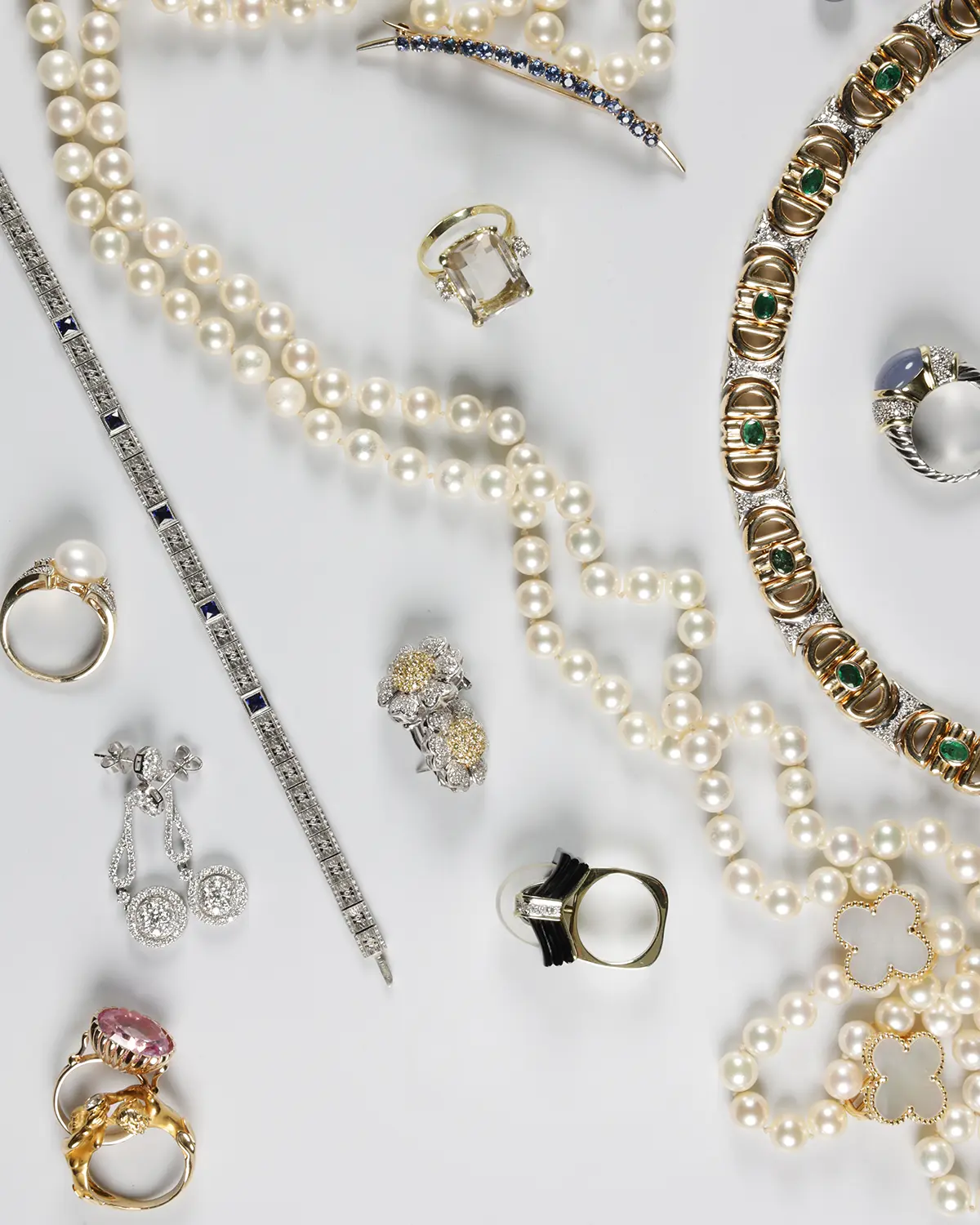
This is the most common item people bring in. Gold jewelry in the United States is sold in 10K, which is 41.7 percent gold, 14K at 58.3 percent, 18K at 75 percent, and 22K or 24K at 91.7 to 99.9 percent. A qualified buyer will test each piece individually to confirm its exact purity. Do not assume the stamp is accurate. Our buyers use XRF testing, explained below, to verify every item. Learn more about what affects a jewelry payout.
Gold Coins
Modern bullion coins such as American Gold Eagles, Canadian Maple Leafs, South African Krugerrands, and American Gold Buffalos are valued primarily on their gold content. Pre-1933 United States gold coins including the $2.50 Quarter Eagle, $5 Half Eagle, $10 Eagle, and $20 Double Eagle may carry additional numismatic value depending on date, mint mark, and condition. Our rare coin specialists evaluate both melt value and collector value to ensure you receive whichever is higher.
Dental Gold
Old crowns, bridges, and dental scrap are surprisingly valuable. Dental gold is typically 16K to 20K, which is considerably higher purity than most jewelry. A piece that looks unremarkable on a tray can still be worth meaningful money. PMR accepts dental scrap with the same same-day evaluation process as jewelry.
Gold-Filled and Gold-Plated Items
These are worth understanding because they are often misidentified. Gold-filled items, stamped 1/20 14K GF or similar, have a thin layer of real gold mechanically bonded to a base metal. Gold-plated items have an even thinner electroplated layer. Both contain far less gold than solid karat pieces and pay accordingly, often very little compared to karat gold. Our buyers will tell you exactly what you have.
Scrap, Broken, and Unmarked Pieces
A broken chain, a bent ring, or a piece with no visible hallmark is still worth testing. The value of gold comes from its weight and purity, not its appearance or condition. XRF testing works on unmarked pieces just as well as marked ones.
Silver, Platinum, and Palladium
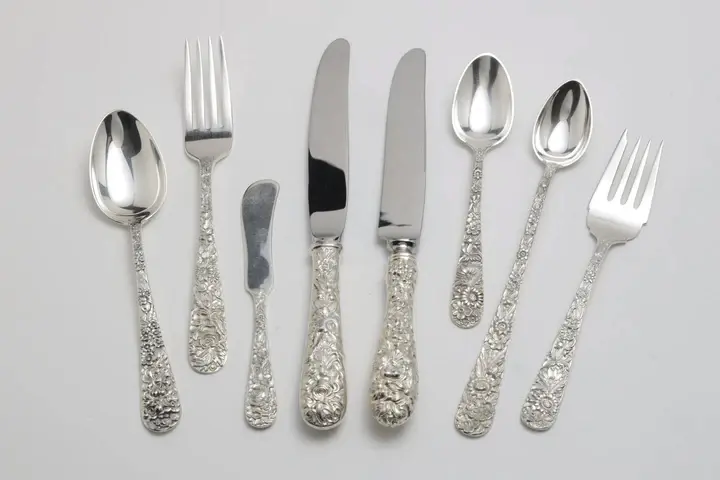
If you are bringing in a mixed collection, PMR also buys silver, platinum, and palladium. You do not need to sort or separate items before you come in. Bring everything and we will evaluate each item individually.
What It Actually Means For a Refinery to Buy From the Public
Testing method is one of the most important factors in determining whether you receive a fair offer. The difference between an accurate reading and an eyeball estimate can be meaningful, especially on higher-karat pieces.
Visual Inspection
The first step is checking hallmarks, looking for signs of plating or wear, and identifying the item type. This is useful for sorting but is not sufficient for pricing.
XRF Analysis: The Gold Standard
PMR uses the Niton XRF Analyzer by Thermo Fisher Scientific. This instrument directs X-rays at the metal and measures the energy reflected back to determine exact elemental composition without scratching, dissolving, or damaging the item. A reading takes under two minutes and produces a precise purity percentage. Instead of saying it looks like 14K, the machine might read 58.4 percent gold, 24.1 percent silver, and 17.5 percent copper.
This matters because many items are not what they are stamped. A piece marked 14K might test at 13.5K or 14.5K. A buyer relying on the stamp alone is guessing. A buyer using XRF is not.
Acid Testing
Some buyers use acid tests as a quick screening method. A small scratch is made on the item and acid is applied. The reaction indicates an approximate karat range. It is faster and less expensive than XRF but less precise, and it physically marks the piece. PMR uses XRF as the primary testing method so your items come back to you undamaged.
How the Selling Process Works
No appointment is needed at any PMR location. Here is what to expect from arrival to payment:
Walk in during business hours. Any PMR location accepts walk-ins. If you prefer, you can schedule in advance, but it is not required.
Your items are evaluated. A trained buyer takes your items, sorts them by type, weighs each piece on a certified scale, and runs XRF testing. This typically takes 10 to 20 minutes depending on the quantity.
You receive an offer.
Zero obligation to sell. You can accept the offer, decline it, or take it home and think about it. Your items are returned immediately if you are not selling.
Payment on the spot. If you accept, you are paid the same day by cash or check.
Benefits of Selling Direct to a Refinery
Selling directly to a refinery that works with the public offers several advantages:
Better Returns: By cutting out the middleman, you may receive a higher payout for your gold.
Accurate Testing: On-site testing provides transparency and ensures the purity measurement is precise.
Fast Turnaround: You often get paid the same day, rather than waiting for a buyer to ship items to a third party.
Environmental Responsibility: Refineries recycle precious metals, which helps reduce the need for new mining.
How Gold and Silver Prices Affect Your Payout
The spot price of gold changes daily, sometimes significantly, which means the same ring can be worth a different dollar amount on different days. You can track the live gold spot price and the live silver spot price on PMR’s website before you come in.
Gold has been trading near all-time highs, which makes this a favorable time for sellers. However, trying to time the market perfectly is rarely worth it. If you have items you are not using, the opportunity cost of waiting often outweighs the benefit of a slightly higher spot price a few weeks from now.
What to Look for When Comparing Refineries
Not every refinery that claims to serve the public operates with the same standards. When evaluating options:
Testing transparency. Can you watch the test? Is the equipment visible and labeled? A reputable buyer has nothing to hide about how purity is measured.
Pricing explanation. Are you shown the spot price used in the calculation? Is the math explained clearly? If a buyer just names a number, that’s a red flag.
No minimum. If a location requires a minimum quantity or turns away small amounts, they’re not truly set up for individual sellers.
No-pressure policy. You should be able to walk away with your items if you don’t like the offer. Any pressure to sell immediately is a sign to leave.
Verifiable reviews. Look for reviews that mention specific staff, specific experience details, and repeat visits.
What Customers Say about Precious Metals Refinery
Thinking about selling your gold, silver, or luxury watch?
Frequently Asked Questions
You can schedule an appointment in advance or visit any of our PMR locations during business hours. Appointments are not required.
Yes. The value of gold comes from its weight and purity, not its condition or appearance. XRF testing works on unmarked and broken pieces the same as on stamped, intact jewelry.
Solid karat gold (10K–24K) is an alloy throughout. Gold-filled items have a thin, bonded layer of gold over a base metal and contain far less gold by weight — typically 1/20th the item’s weight or less. Gold-plated items contain even less. Both pay significantly less per gram than solid karat gold.
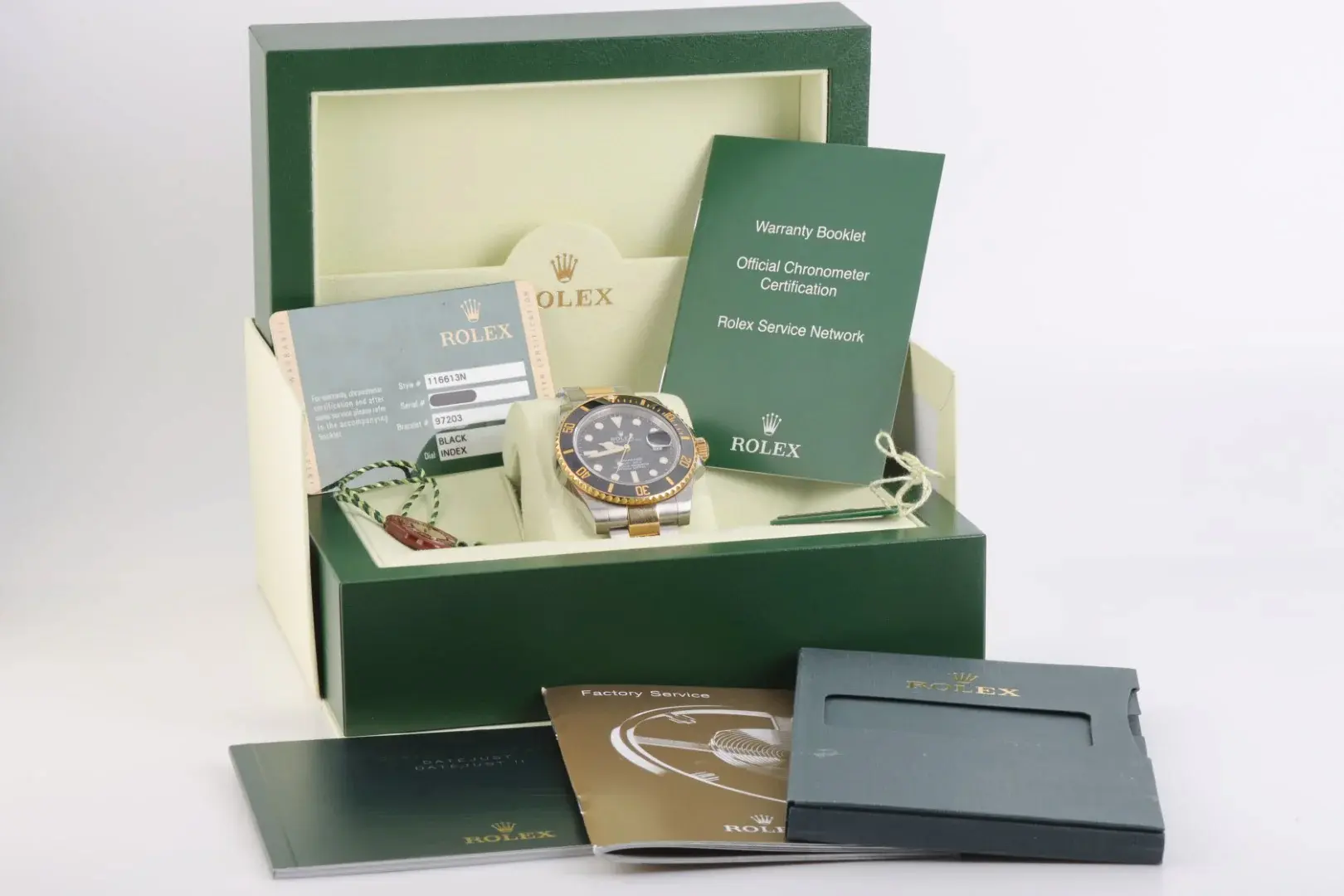
PMR buys silver (sterling jewelry, flatware, coins, bars), platinum, palladium, diamonds, luxury watches, rare coins, and dental scrap. You can bring a mixed collection and have everything evaluated in one visit.
PMR provides instant offers and same-day payments for your gold, silver, platinum, palladium, diamonds, and watches. You have zero obligation to agree to our offers.
No. PMR accepts any quantity, a single ring, a small coin collection, or an entire estate.