Sell Silver
Trusted Silver Buy, Expert Offers, Same-Day Payments.
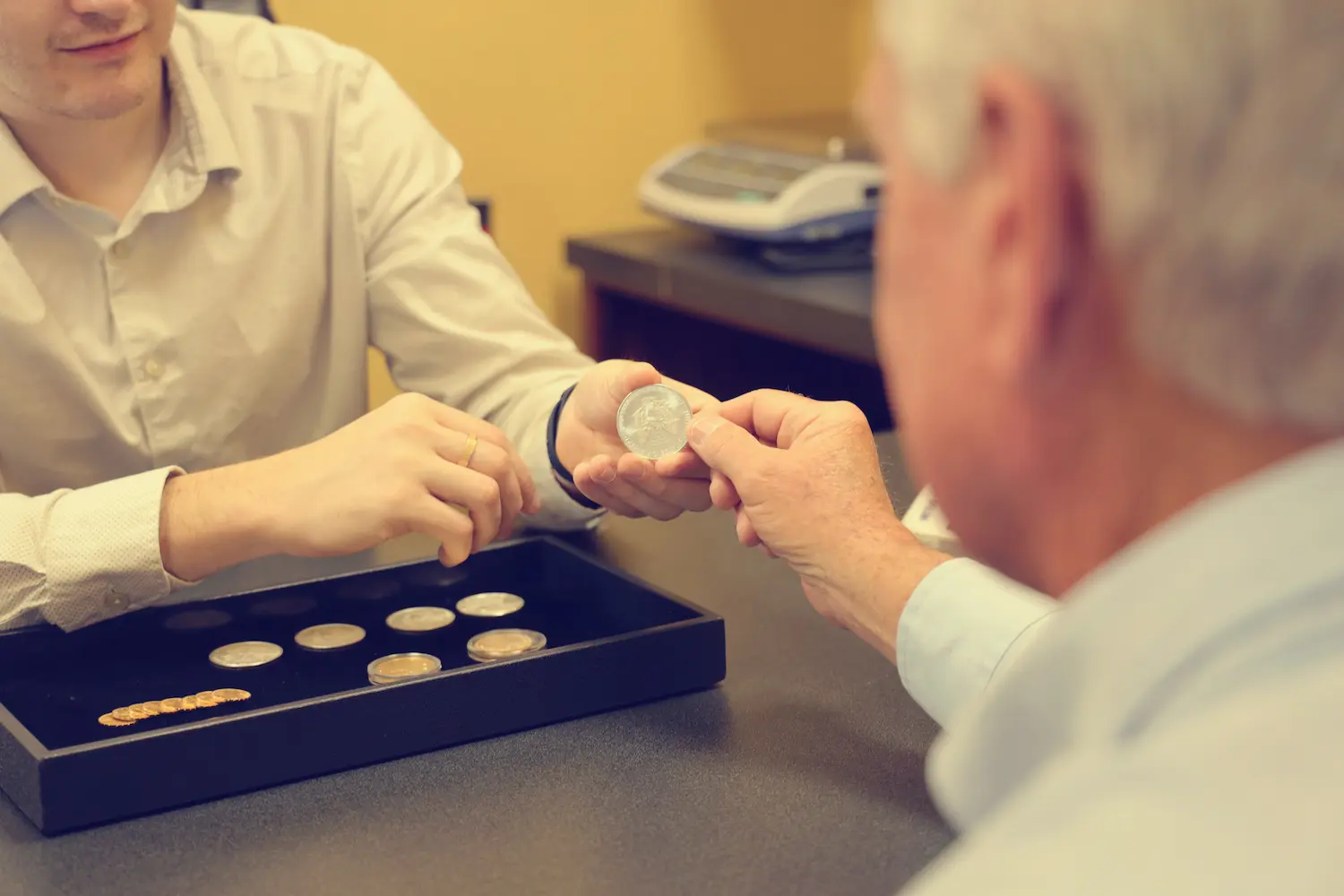
PMR buys all types of silver: coins, flatware, bullion, jewelry, and more, based on live spot price. We use an XRF analyzer to test your items on the spot, provide a precise quote, and pay you the same day. There is no obligation to sell, no pressure, and you never have to leave your items with us for testing.
Whether you have a single sterling bracelet or an entire estate’s worth of flatware and coins, our evaluations are free and our offers are based on current market rates — not what we think you will accept.
What We Buy
PMR purchases silver in virtually every form. If you are unsure whether your item qualifies, bring it in — our XRF analyzer will tell us exactly what it contains.
Silver jewelry: Sterling silver rings, bracelets, earrings, necklaces, pendants, and chains. We also purchase silver-set pieces with gemstones, though the stone itself is evaluated separately.
Flatware and holloware: Complete sets or partial sets, serving pieces, tea sets, candlesticks, trays, and decorative items. Condition and polish are less important than you might expect — see our note on patina below.
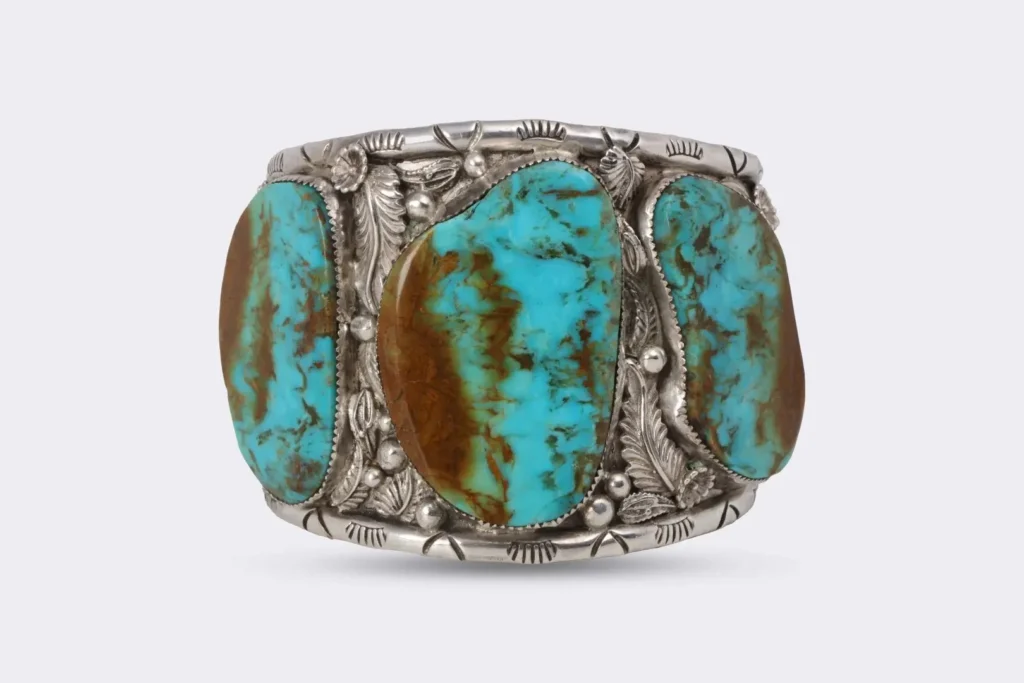
Native American and Mexican silver: Vintage and contemporary pieces, signed or unsigned. Cuffs, squash blossoms, bolos, rings, necklaces, and concho belts. Hallmarks and maker signatures can significantly affect value.
Silver coins: U.S. and world silver coins, junk silver, proof sets, American Silver Eagles, and other bullion coins. Numismatic value is assessed separately from melt value when applicable.
Silver bars and rounds: All weights and brands. No minimum — we buy a single one-ounce round the same way we buy a 100-ounce bar.
Bullion and industrial silver: Silver wire, sheet, granules, casting grain, and other forms. If you have silver from a trade or industrial context, we can evaluate it.
Scrap Silver: Broken, bent, or heavily worn items are still worth selling. If it contains silver, we want it regardless of condition.
What Determines the Price of Your Silver
Silver value comes down to three things: purity, weight, and the current spot price. Understanding each one helps you know what to expect before you walk in.
Purity
Pure silver, also called fine silver, is .999 or higher in purity. It is most commonly found in bullion bars, rounds, and some coins. Most silver jewelry and flatware, however, is sterling silver, an alloy of 92.5% silver and 7.5% copper or other metals, marked with a 925 stamp. The copper is added because pure silver is too soft for everyday use.
Other common purity marks you may see on flatware or older pieces: 900, 835, 800. These indicate the percentage of silver content (90%, 83.5%, 80%). Coin silver, found in pre-1965 U.S. dimes, quarters, and half dollars, 90% silver. We buy all of these.
Weight
Once we know purity, weight determines value. We weigh all items on calibrated scales. The higher the silver content by weight, the higher the offer.
Live Spot Price
Silver trades on commodity markets around the clock, and its price changes daily. Our offers are based on the live silver spot price at the time of your visit. You can check the current price before you come in, so you have a reference point.
Do Not Polish Your Silver
Original patina can help establish age and authenticity, which matters especially for Native American pieces and vintage flatware. Polishing removes that evidence and can reduce what we can offer.
How We Test Your Silver
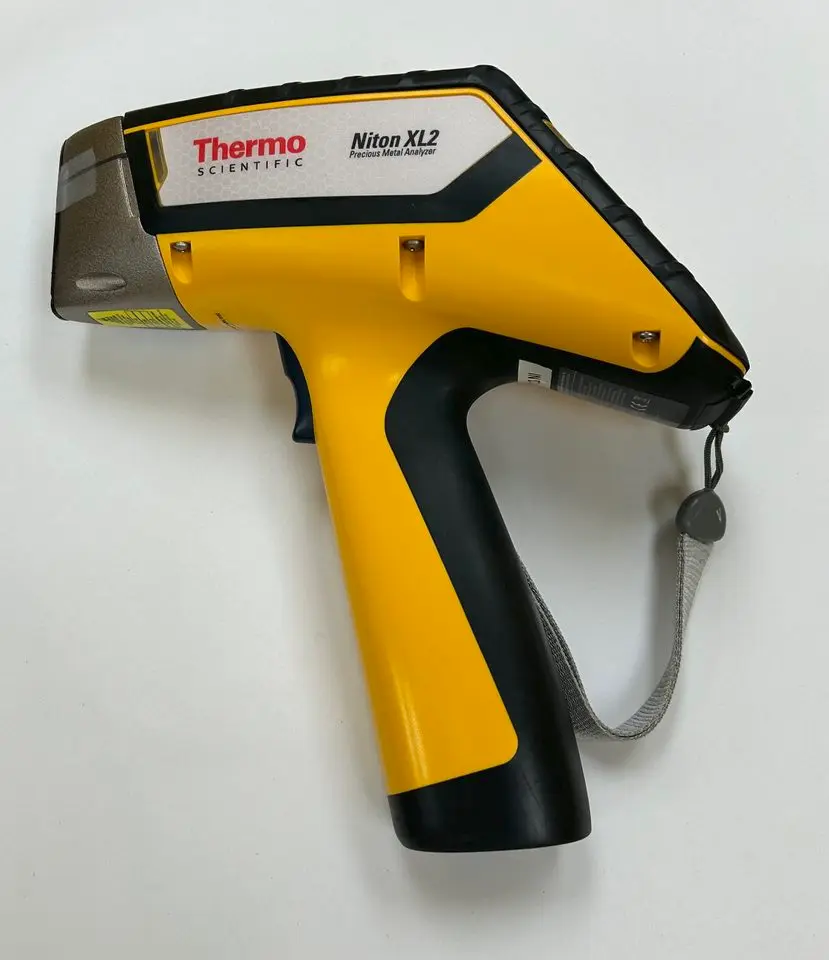
Every PMR location uses the Niton XRF Analyzer by Thermo Fisher Scientific, the same technology used by labs and refineries, to determine the precise elemental composition of your items. The test takes seconds, requires no chemicals, and does not damage your piece in any way.
The XRF reading tells us exactly what percentage of silver and other metals are present. There is no guessing, no acid testing, and no eyeballing. You see the same results we do, and we base our offer on those numbers.
If you have an item you suspect is silver but are not certain, such as unmarked pieces, inherited items, or estate finds, bring it in. The XRF test will give you a definitive answer.
How the Selling Process Works
First-time sellers often have the same question: what actually happens when I walk in? Here is the process from start to finish.
Step 1: Schedule an Appointment or Walk In
Bring your silver to any PMR location. You can make an appointment or walk in. If you have paperwork like receipts, appraisals, or certificates of authenticity, bring it; it can provide helpful context, but it is not required.
Step 2: Evaluation in a Private Room
You are brought to a private buying office, not a public counter. Your items are tested with the XRF analyzer in front of you. For flatware or coin lots, we weigh and assess the group. You see the results of every test. Your items do not leave your sight.
Step 3: Offer Based on Live Spot Price
We present a written offer based on the silver content of your items and the current live spot price. We walk you through the math. Weight, purity, spot price, and our buy rate, so the number is not a black box. There is no pressure and no time limit on the offer.
Step 4: Same-Day Payment
If you accept, you will be paid immediately in cash or by check. The entire process typically takes 30–60 minutes for a standard lot. Larger estate evaluations may take longer, and we are happy to schedule additional time if needed.
If you are not near one of our locations, we also offer a mail-in service for securely shipping silver for evaluation.
Why Sellers Choose PMR
U.S. Bullion Coins
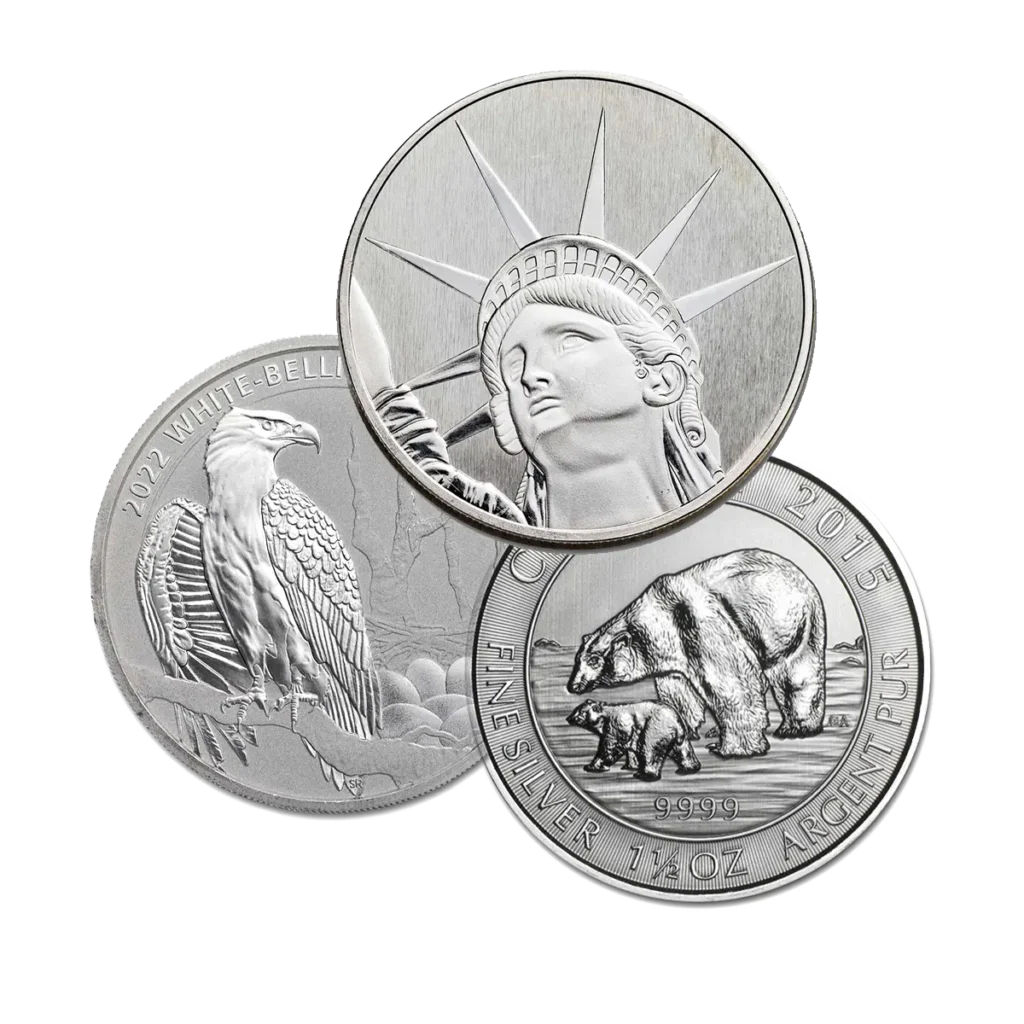
American Silver Eagles (1 troy oz, .999 fine), America the Beautiful coins, and other U.S. Mint silver bullion coins. We buy proof and uncirculated versions.
World Silver Coins
Canadian Maple Leafs, Austrian Philharmonics, Mexican Libertads, British Britannias, Chinese Pandas, Australian Kookaburras and Koalas, and other internationally minted silver coins. We also purchase pre-1965 world silver coinage from most countries.
Silver Coins and Numismatics
Silver coins and bullion are among the most straightforward items to sell because their value is primarily based on silver content and current spot price. However, numismatic value — the collector value of a coin beyond its melt weight — can apply in certain cases, and we evaluate both.
U.S. Junk Silver Coins
Pre-1965 U.S. dimes, quarters, and half dollars are 90% silver. The term “junk silver” simply means they have no significant numismatic premium, they are valued for their metal content. Kennedy half dollars from 1965–1970 are 40% silver. We buy these by the roll, the bag, or the face-value lot.
Mint Marks and Numismatic Premiums
Mint marks, date and mint combinations, low-mintage issues, and certified coins (NGC or PCGS slabbed) can carry value above melt. If you have coins you believe may have numismatic value, tell us when you come in — we assess melt value and collector value separately and offer accordingly. For a deeper look at selling coins, see our rare coins page.
Silver Bars and Rounds
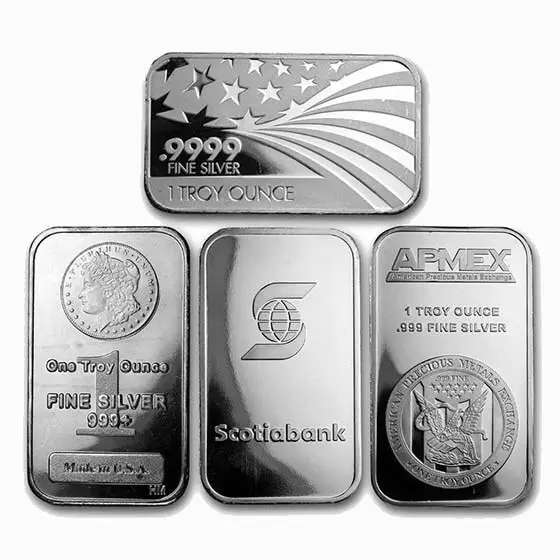
We buy silver bars and rounds from all major mints and private refineries like PAMP Suisse, Sunshine Minting, Engelhard, Johnson Matthey, A-Mark, NTR Metals, and others. Generic rounds and bars are valued at spot. Named mint bars (especially vintage Engelhard and Johnson Matthey) may carry a small premium depending on demand.
No minimum quantity. We buy a single ounce the same way we buy a monster box.
Flatware, Holloware, and Sterling Sets
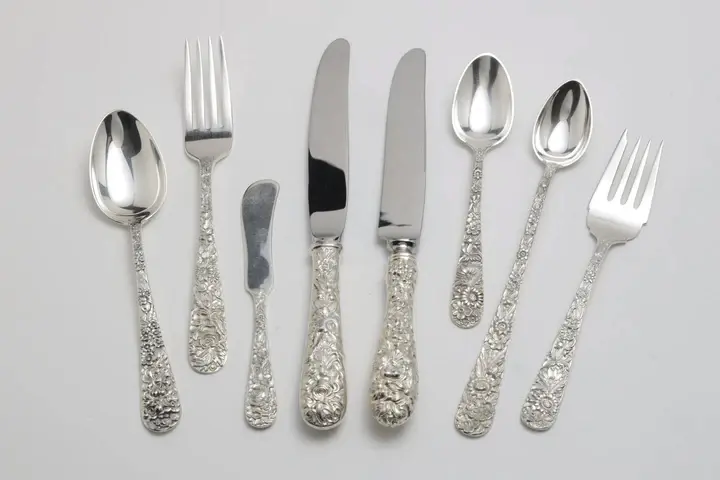
Sterling flatware has been passed down through generations as wedding gifts and family heirlooms. Today, many families find themselves with complete sets they no longer use — formal dining has changed, and sterling requires regular polishing to maintain its appearance. If you have inherited flatware or a tea service you have been storing for years, it has real value based on its silver content regardless of whether anyone wants to use it.
Brands We Commonly Purchase:
- Avis Sterling
- George Jensen Sterling
- Gorham Sterling
- International Sterling Co.
- Kirk & Sons Sterling
- Onita Sterling
- Reed & Barton Sterling
- Royal Danish Sterling
- Stieff Sterling
- Tiffany & Co. Sterling
- Towle Sterling
- Tuttle Sterling
- Wallace Sterling
What To Look For On Your Pieces:
Genuine sterling flatware will be stamped with one of the following: 925, sterling, sterling silver, or coin silver. Pieces marked “silver plate” contain no silver, only a thin coating over a base metal, and unfortunately have no melt value.
Some makers of Native American jewelry:
- Charles Loloma
- Mark Chee
- Fred Peshlakai
- Julian Lovato
- Tommy Singer
- Raymond Begay
- Alis Quam
- Frank Patania
Mexican Silver
Vintage Mexican silver from the mid-20th century shares some stylistic traditions with Native American work and is equally collectible. Makers and workshops we look for include William Spratling, Frederick W. Davis, and Margot De Taxco, as well as unmarked pieces with identifiable Mexican silver characteristics. Common vintage Mexican stamps include 925, 980, and Hecho en México.
If you have inherited pieces and are unsure of their origin or maker, bring them in. We can often identify tribal affiliation, period, and maker from the piece itself.
Native American Jewelry
PMR has extensive experience purchasing Native American and Mexican silver jewelry. These pieces require a different kind of evaluation than standard sterling — the maker, tribe, period, and hallmark can all significantly affect value, sometimes beyond what the silver content alone would indicate.
Cuffs, squash blossoms, bolos, rings, necklaces, concho belts, bracelets, and unusual or ceremonial pieces. Turquoise-set pieces are among the most common, but stamped, repoussé, and overlay work from Hopi and Zuni silversmiths are equally desirable. We also purchase Pueblo, Santo Domingo (Kewa Pueblo), Apache, and Plains tribal work.
We are looking for necklaces, cuffs, rings, bolos, bracelets, and squash blossoms, as well as other, perhaps unusual, pieces. The most desirable pieces come from the following tribes:
- Navajo
- Pueblo
- Hopi
- Zuni
- Santo Domingo (Kewa Pueblo)
- Apache
- Planes tribes
Is Now a Good Time to Sell Silver?
Silver prices fluctuate based on a mix of factors that are different from gold — industrial demand (silver is used heavily in electronics and solar panels), investment demand, and broader commodity market conditions all play a role.
We do not offer financial advice, and we will not tell you that now is or is not the right time to sell. What we can tell you is that our offers are always based on the current live market rate, and you are welcome to check the live silver spot price before you come in. If you want to understand what drives the price up and down, our post on what influences silver prices covers the key factors in plain terms.
If you have silver you no longer want or need, the right time to sell is when the process is easy and the offer is fair and we aim to make both true every time.
Also Selling Gold, Platinum, or Watches?
PMR buys all precious metals. If you have gold, platinum, coins, or luxury watches, bring everything in a single visit. We evaluate and make offers on all of it. You do not need separate appointments for different items.
Looking to Sell Silver Near You?
PMR has locations in Tucson, Scottsdale, Coachella Valley, and San Diego, offering top payouts. Find a location near you:
Frequently Asked Questions
Look for stamps that read 925, sterling, sterling silver, 900, 835, 800, or coin silver. Items marked “silver plate” or “EP” (electroplate) contain no solid silver.
No. Silver plate is a base metal with a thin silver coating and has no melt value. We only purchase items with solid silver content.
For items valued at melt (flatware, scrap, most bullion), condition has minimal impact — weight and purity are what matter. For collectible pieces like Native American jewelry or numismatic coins, condition does affect value.
Most evaluations take 15–30 minutes. Larger estate lots or collections with potential numismatic pieces may take longer. If you have a significant quantity, you are welcome to call ahead so we can allocate the right amount of time.
Yes. You do not need a complete service-for-twelve to sell flatware. We buy individual pieces, partial sets, or full sets. Value is based on the silver content of what you bring.
Silver and other precious metals are measured in troy ounces, which are slightly heavier than standard (avoirdupois) ounces. One troy ounce equals approximately 31.1 grams, compared to 28.35 grams for a standard ounce. Spot prices are always quoted in troy ounces.
You are never obligated to accept. If you decline, your items are returned to you immediately. There is no fee for the evaluation.
Yes. Our mail-in service allows you to ship silver securely for evaluation. Contact us for instructions and packaging guidelines before shipping anything.
Learn More About Selling Silver
- How Counterfeit Precious Metals Are Detected
 Counterfeiting precious metals is not a new problem. What has changed is the sophistication. Where crude fakes once failed a basic visual check, modern counterfeits can pass a scale, fool a magnet, survive a surface acid test, and in some cases even beat standard XRF testing. At PMR, our buyers encounter counterfeit gold, silver, and… Read more: How Counterfeit Precious Metals Are Detected
 - Seven Coins in Your Change Jar Worth More Than Face Value
 In today’s world, cash is becoming an afterthought. Most transactions happen with a tap or a swipe, and when you do pay with cash, you rarely have the exact amount. You get change back. That change goes in your pocket, then into a jar on the counter, and then it just sits there. Most of… Read more: Seven Coins in Your Change Jar Worth More Than Face Value
 - Why Are Silver Offers Lower Than the Spot Price?
 I Just Read Silver Is at an All-Time High. Why Can’t I Get This Value for My Silver? If you have tried to sell silver recently and walked away surprised, you are not alone. Silver spot prices are at all-time highs, and on paper, the math should work in your favor. The offer you received… Read more: Why Are Silver Offers Lower Than the Spot Price?
 - Is Your Sterling Silver Flatware Worth Anything?
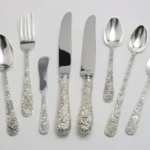 Somewhere in a lot of homes there is a wooden chest or velvet-lined box with a full set of silver flatware inside. It was a wedding gift, or it came from a grandparent, and it has been sitting in a cabinet for decades. If you have one of these and you are wondering whether it… Read more: Is Your Sterling Silver Flatware Worth Anything?