I Just Read Silver Is at an All-Time High. Why Can’t I Get This Value for My Silver?
If you have tried to sell silver recently and walked away surprised, you are not alone. Silver spot prices are at all-time highs, and on paper, the math should work in your favor. The offer you received may have felt disconnected from where the market appears to be trading. The gap is real, and it has a real explanation.
The silver market is going through an unusual period that is affecting buyers, sellers, and refineries across the industry. Many buyers have put a freeze on purchasing altogether. There is a lot of uncertainty in the market right now, and it has many within the industry sweating. We are going to tell you exactly what is happening, why offers look the way they do right now, and why PMR is one of the few buyers still open.
Silver Has Been Running a Supply Deficit
The first thing to understand is that the silver market has been in a structural supply deficit for several years. That means the world is using more silver than it is producing. The gap between demand and a new mine supply has been widening, not closing.
Most silver is not mined directly. It is produced as a byproduct of mining for other metals such as copper, zinc, and lead. That means you cannot simply open more silver mines when demand rises. Supply responds slowly while demand keeps rising.
What is driving demand higher? Industrial use is the biggest factor. Silver is a critical component in solar panels, electric vehicles, consumer electronics, and medical technology. A single solar panel uses a meaningful amount of silver. As clean energy infrastructure scales globally, so does the demand for silver. This is not a trend that reverses quickly.
At the same time, investor demand and jewelry demand have remained steady. All of these competing buyers are drawing from the same tightening supply. The result is faster price movement, more volatility, and a market that behaves less predictably than it used to.
China Has Pulled Back From Global Silver Supply
China has historically been one of the largest sources of refined silver exported to global markets. That has changed. As China accelerates its own investment in electric vehicles, solar infrastructure, and green technology, it is retaining more silver for domestic use rather than exporting it.
When one of the largest suppliers reduces what it sends to the rest of the world, the global market feels it. Combined with the existing supply deficit and rising industrial demand, China’s reduced exports have amplified the tightness already present in the market.
The Problem is Not Just Supply. It Is Format.
Here is something most people don’t know, and it is central to understanding everything happening right now.
Both industrial consumers and retail investors need pure silver, typically .999 fine. Industrial manufacturers need it pure to use in their products. Investors want it pure in the form of coins and bars. But most of the silver in the world is not in that form.
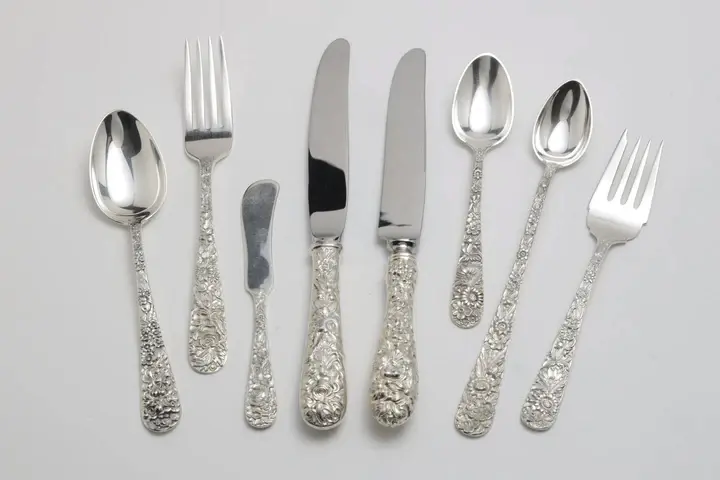
The majority of silver in private hands exists in less pure formats: 92.5% purity, pre-1965 US coins at 90% purity, European silver at 80% to 83.5% purity, and various other alloys. None of that can go directly to an industrial manufacturer or a coin investor. It has to be refined first.
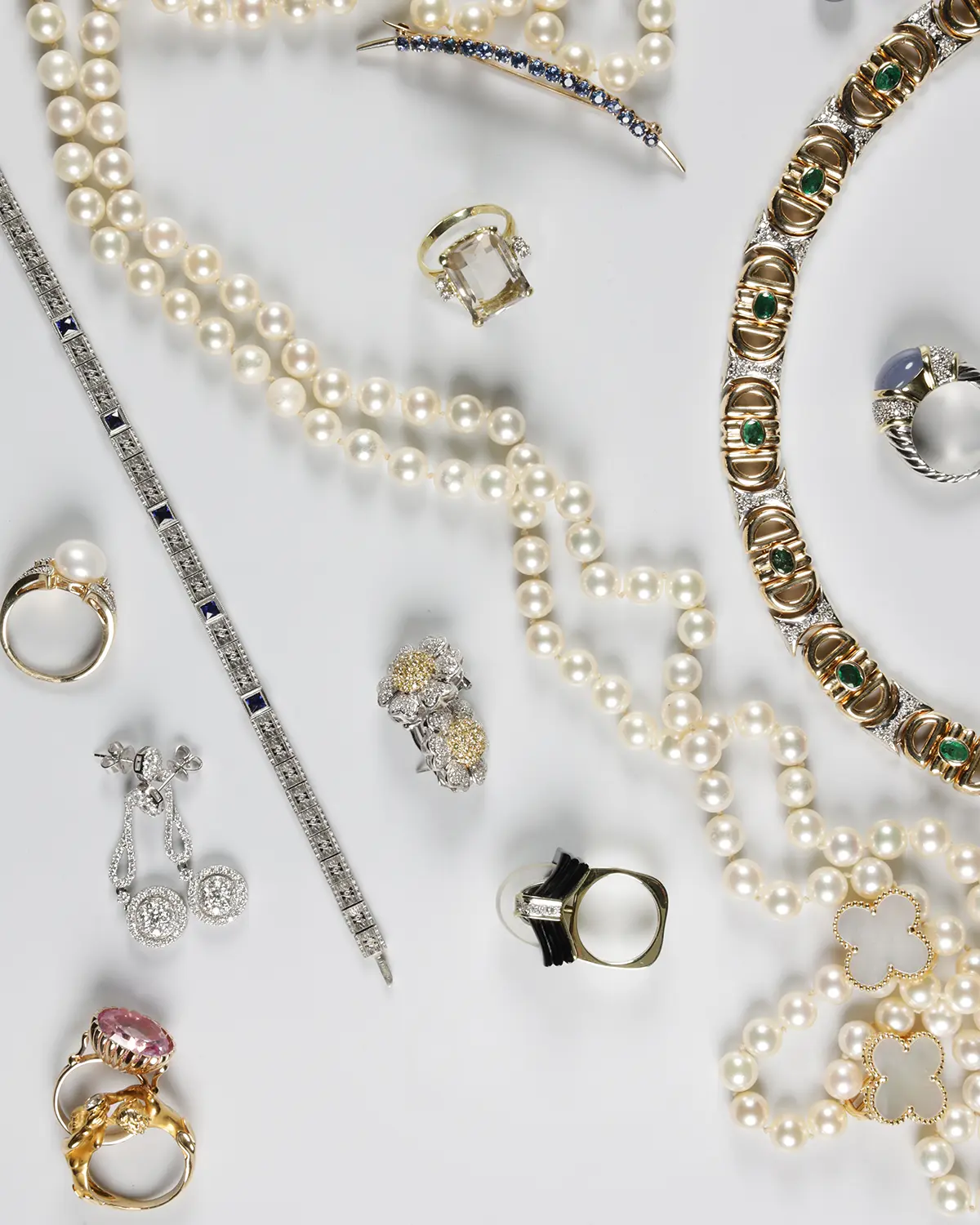
When silver prices rise, people sell. In the past several months, an extraordinary volume of impure silver came out of private ownership as people sold household silver, coin collections, and inherited items to take advantage of high prices. This is a normal market response. The scale and speed at which it happened was not normal.
Refineries Are Overwhelmed
Refining impure silver is not as simple as melting it down. It requires chemical and electrolytic processes to separate the silver from the other metals it is alloyed with. These processes are more complex, more time-consuming, and more expensive than refining gold.
When the volume of material coming in is normal, refineries handle it efficiently. When an extraordinary volume floods in within a matter of months, processing capacity is overwhelmed. Major refineries worldwide are currently facing exactly this situation. They have a backlog of impure silver material that will take months, and potentially years, to work through.
While that backlog exists, refineries are unable and in many cases unwilling to accept new material. They simply have more silver than they can process.
The Refinery Credit Market Has Tightened, This Also Directly Impacts You as a Seller
Precious metals dealers and refineries typically use credit and leasing arrangements provided by large financial institutions to manage their price exposure. When a buyer purchases silver from you, they use these arrangements to lock in a sell price almost immediately, neutralizing the risk that the price will fall before they can move the metal through the supply chain.
This is called hedging. With refineries overwhelmed and backlogs stretching for months or years, those credit arrangements have broken down. Financial institutions are unwilling to lend against impure silver that cannot be refined on a predictable timeline. The length of time and the uncertainty involved make it too risky a position to hold.
This means anyone buying silver right now is doing so entirely at their own risk, with their own capital, holding an asset they cannot quickly convert to the pure silver that the market actually wants. The practical effect is that buyers who purchase silver today are carrying more price risk than they normally would. If the market moves against them before they can settle, that loss is real. Managing that risk means they have to pay a lot less.
Why Offers Are Lower Than the Spot Price Suggests
The spot price you see on a chart reflects the traded price of silver on commodity exchanges. What a local buyer can offer reflects the spot price minus the cost and risk of getting that silver from your hands to a refinery, through a backlogged refining process, and into the market.
In a normal market, that spread between spot and offer is relatively tight because the risk management tools that buyers use keep the gap predictable. Right now those tools are under strain. The gap is wider not because buyers are taking more margin but because the risk being absorbed is genuinely higher.
Many companies have stopped buying impure silver altogether. They cannot take on the risk. Others are buying only small quantities. The buyers who are still purchasing must factor the time, cost, and uncertainty of a backed-up refining system into every offer they make. Check the live silver spot price to see where the market is trading today.
PMR is Still Buying
Not everyone is. A number of buyers in our markets have paused or stopped purchasing silver altogether because the risk environment makes it too difficult to operate confidently. We understand why. This is a genuinely unusual period.
PMR has made the decision to stay open and keep buying. We are absorbing the market conditions, pricing carefully, and continuing to serve customers who want to sell. Our locations across Arizona and California remain active for gold, silver, coins, jewelry, and everything else we buy.
If you have silver to sell and you have found that other buyers are not available or not making offers, PMR is here. Bring your items in for a free evaluation at any location. We will tell you exactly what we can offer and why, with no pressure and no obligation. Learn more about selling silver or selling gold.
What Customers Say About PMR
What to Keep in Mind If You Are Thinking About Selling
- The spot price and what you receive are not the same number. They never have been. The spot price is a benchmark for pure silver. Offers for impure silver reflect the real cost of converting it to that benchmark, which right now includes a backlogged refining process.
- Pure silver is less affected. Products like American Silver Eagles and .999 fine bars do not require the same refining process. If you have pure silver products, the spread between spot and offer is tighter.
- Waiting is a reasonable choice. The refinery backlog will clear eventually. When it does, the credit arrangements that support tighter offers should normalize. If you are not in a hurry, patience is a legitimate strategy.
- Selling now is also reasonable. Silver prices are historically elevated. Even accounting for current offer spreads, the dollar amount you receive today may still exceed what was possible two or three years ago.
- Get an evaluation before you decide. A free evaluation at PMR gives you a real number to make a decision with. You are not obligated to sell.
Frequently Asked Questions
There is no precise answer. Industry estimates suggest the backlog could take months to years to clear depending on how much additional material continues to come in and how refineries adjust their capacity. This is an ongoing situation, not one that will resolve overnight.
Pure silver products like American Silver Eagles, Canadian Maple Leafs, and .999 fine silver bars do not require the same refining process and can move more directly to buyers. The backlog and credit issues affect impure silver most severely.
Gold is also affected by the broader credit tightening in the refinery market, though the impact is more pronounced on silver due to silver’s additional industrial demand drivers and its historically higher price volatility. PMR continues to buy gold at all locations. Check the live gold spot price for current market levels.
Both are impure silver formats that require refining before they can reach industrial consumers or investors. Pre-1965 US coins at 90% silver and sterling flatware at 92.5% silver are both subject to the same backlog and credit dynamics. Learn more about selling rare coins.
The structural factors driving the supply deficit are long-term trends. Industrial demand from clean energy and electronics continues to grow and mine supply is not keeping pace. The refinery backlog and credit tightening that are affecting buyer offers more immediately are considered temporary disruptions. The backlog will clear and credit conditions should normalize, though the timeline is uncertain.