Why So Many People Are Asking This Now
There’s a diamond ring sitting in your jewelry box that you haven’t worn in years. Maybe it was inherited, maybe it’s tied to a past chapter of your life, or maybe it just no longer fits your style. At some point, most people start asking the same question: Is now a good time to sell diamonds?
Whether now is a good time to sell really comes down to what the diamond is, what the market looks like today, and how much demand there actually is for stones like yours. The diamond market has changed over the years, especially with lab-grown diamonds becoming more common, and that has affected resale values across the board. Knowing how things work right now helps set realistic expectations and makes it easier to decide what to do next. In this guide, we’ll break down what’s happening in the diamond market right now and what to consider before deciding whether to sell.
How Diamond Resale Value Actually Works
First, we need to understand how jewelry appraisal actually works. So that if you choose to resell your diamond jewelry, you know what to expect. The valuation of jewelry is dependent on where it stands in the market: Are you looking at the retail price? Is it being evaluated for insurance purposes? Or is it being valued at the intrinsic level? This is very important because “value” is used as an all-encompassing term but can mean several things. Let’s break them down below:
Intrinsic Value: The Worth of the Materials
Intrinsic value is defined purely by the physical attributes of the jewelry and disregards any sentimental value it may hold. In most cases, we look at two things: What is the current market value of the gold used, and what’s the current market value of the diamond or stone setting? The intrinsic value is most often what is used to determine a payout for reselling to a gold refinery that buys from the public. The offer will likely be slightly below current market rates to hedge against volatility in the precious metals market. It’s important to keep in mind that you will have a difficult time finding anyone who will consistently pay spot price.
Retail Value: What You Pay in a Store
The retail value is what a consumer pays to buy jewelry from a store. The retail price can be 5-10x the product’s intrinsic value to cover various costs and ensure the store earns a profit on its sale. Businesses need to consider the labor that goes into creating the final product, overhead costs, and marketing. Consumers assume that because they paid x amount for their jewelry, that is what the jewelry is worth and what they are entitled to. You can almost always expect not to recover the full retail price when reselling jewelry you purchase.
Appraisal Value:
The appraisal value is a number given in a document by a licensed appraiser that estimates the replacement cost for insurance purposes. This number is generally higher than the retail price, so the policyholder will have sufficient funds to replace the item in the event it’s lost or stolen. Again, this number is much higher than the intrinsic value of the materials.
What’s Happening in the Diamond Market Right Now
The diamond market today looks very different from it did a decade ago. While diamonds were once marketed as something that held or even increased in value over time, the reality is more nuanced, especially on the resale side.
For natural diamonds, prices have softened in recent years. Demand has slowed, particularly for mid-range stones, and buyers are more selective than they used to be. This does not mean natural diamonds are worthless, but it does mean resale offers are based on what the market will realistically absorb, not what diamonds once symbolized or were marketed as.
Another major shift has been in consumer behavior. Fewer people are buying traditional diamond jewelry at the same price points as before, and those who are buying tend to do more comparison shopping. That pressure works its way down the resale chain.
The Impact of Lab-Grown Diamonds
Lab-grown diamonds have had a significant impact on the market, even for sellers of natural stones. These diamonds look identical to mined diamonds to the naked eye and sell at a much lower retail price. As they’ve become more common, they’ve changed buyer expectations across the board. You can read more about how lab-grown diamonds are made here.
For resale, this matters because buyers now have more options. Many consumers who might have purchased a natural diamond in the past are opting for lab-grown instead, especially for engagement rings. That shift has reduced demand for certain natural diamonds, particularly smaller or lower-quality stones.
It is also important to understand that lab-grown diamonds themselves generally have very little resale value. Their prices continue to decline as production becomes cheaper and more efficient. This is often surprising to sellers who were told they were getting a “better deal” at the time of purchase.
What Actually Determines Diamond Resale Value
Timing alone does not determine whether a diamond will sell well. The characteristics of the diamond itself matter far more.
Carat weight tends to carry more influence than minor differences in clarity or color. You can read more about the 4 Cs of diamonds here. Larger stones are typically easier to resell than very small diamonds, which often have limited standalone demand. Cut quality also plays a role, as well-cut diamonds tend to perform better in the secondary market.
Shape matters as well. Round diamonds are generally easier to resell than fancy shapes, simply because they appeal to a wider range of buyers. That does not mean other shapes have no value, but demand can fluctuate.
Condition and mounting matter less than most people expect. In many cases, the diamond is evaluated separately from the setting, especially if the jewelry is being sold for its materials rather than as a finished piece.
When Selling Diamonds Makes Sense
For many people, the decision to sell is less about the market and more about life circumstances.
Selling often makes sense when jewelry is no longer worn or enjoyed, especially when it’s inherited or tied to a past relationship. Others choose to sell as part of downsizing, simplifying, or closing out an estate.
In these situations, certainty and clarity can matter more than waiting for a potential market shift. Knowing what a diamond is worth today allows people to make informed decisions rather than holding onto something indefinitely out of uncertainty.
So, Is Now a Good Time to Sell Diamonds?
There is no universal answer. The diamond market has changed, and resale values depend more on the individual stone than the calendar.
In today’s market, many natural diamonds favor sellers who approach the process with realistic expectations. For lab-grown diamonds, resale options are limited regardless of when they are purchased. In all cases, being informed puts you in a stronger position than guessing or waiting without clarity.
What to Expect When You Bring Diamonds in for Evaluation
One of the biggest sources of frustration for sellers is not knowing what to expect during an evaluation.
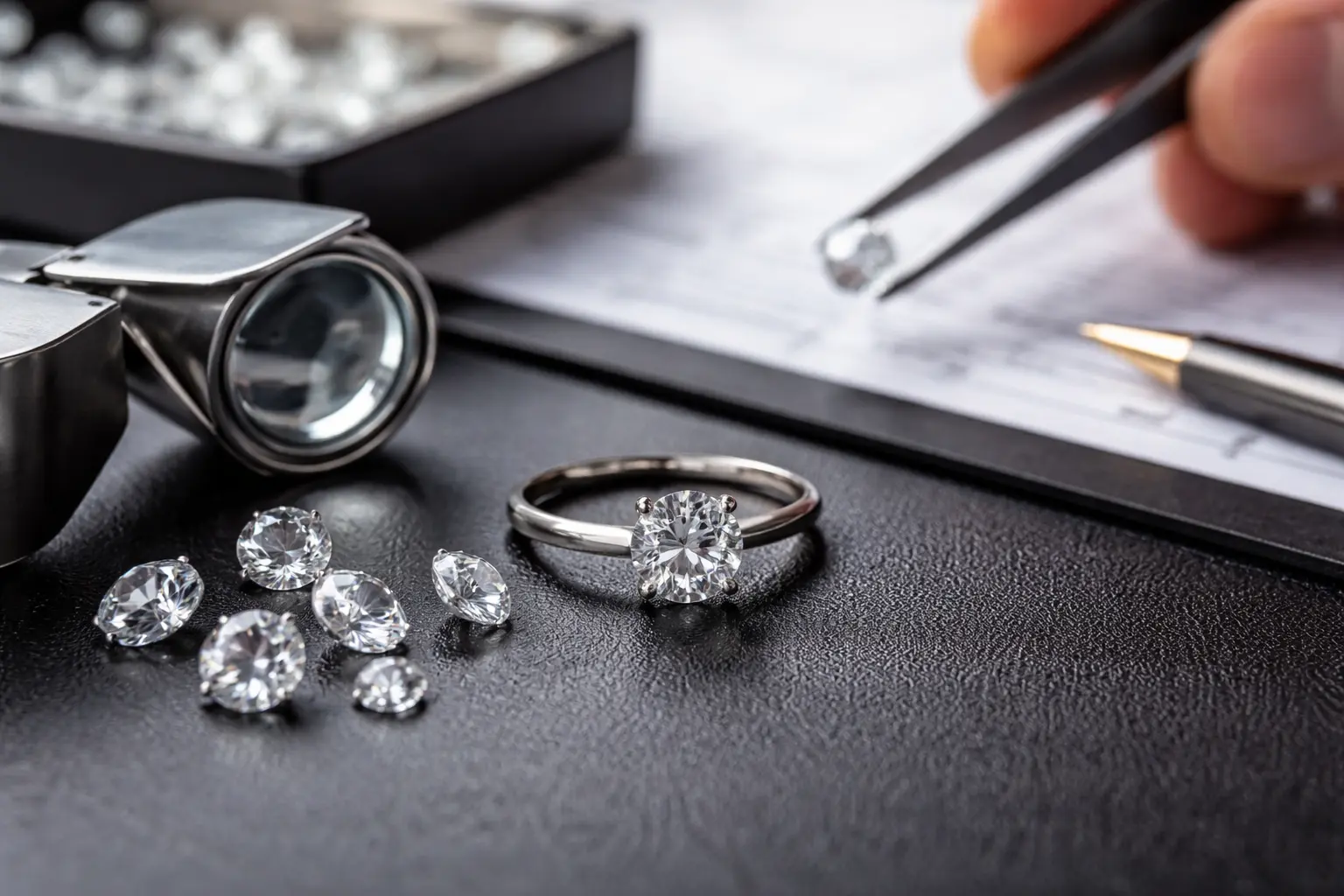
Diamonds are typically assessed separately from gold or platinum settings. Any certificates or documentation, such as a GIA report, can be helpful, but they are not required. Offers are based on current market demand and resale conditions, not insurance values or original purchase prices.
A reputable buyer should be able to explain how an offer is determined and answer questions without pressure. Even if you choose not to sell, understanding the process can remove a lot of uncertainty.
If you’re considering selling, getting an evaluation can provide clarity without pressure. At Precious Metals Refinery, diamonds are evaluated based on current market conditions. An instant quote can help you understand where your diamond stands today so you can decide what makes sense for you.